Thank you to everyone who came out to last week’s THIRTEENTH annual 2025 Portland Fermentation Festival at Ecotrust, aka Stinkfest! Hundreds and hundreds of you from Portland, all over the Pacific Northwest and up and down the West Coast.
Every year post-fest I think, this year was the very best fest. And, that’s because it is! Every year is the best because all of us organizers, exhibitors, demo leaders, volunteers and fest attendees make it so special. For me, and I think a lot of you, it’s my favorite only-in-Portland holiday celebrated with chosen family. And I love that it has continuously grown and evolved over the years since we started the fest way back when in 2009. It’s essentially a one-night-a-year big and festive bring-what-you-have fermentation potluck where everyone is welcome. Even microbes! Especially microbes ;)
This year I am posting even more photos than usual because on the week of the fest I had an actual nightmare that woke me up in the early AM. In my dream, it was post-festival on fest night, and I realized, after everyone had packed up and loaded out, that I’d taken zero photos. Since day one I’ve been the fest photographer and documenter, and I always post a sweet memento-of-a-fest-recap for all of us who attend and for those who can’t. So, having had that nightmare pre-fest I was ON IT in terms of snapping pics of everything. Don’t worry, though. I certainly didn’t let it get in the way of hugs, and laughs, and connecting, and celebrating, and being in the moment with all of you.
If you were a part of the 2025 fest in any way — thank you! Stinkfest has always been for the people by the people. There was a lot that made this year stand out, including the special sour pickles demo that I got to do with Dillon T. Pickle, the other two fun and informative demos with Sarah Pesout aka The Fermentista and Ryan Snipes of Vtopian Artisan Cheeses, the dozens of wild and super flavorful special samples from the pro and amateur makers themselves. As always, you made it extra special as an attendee.
This year we welcomed back the Starter Barter & Adoption Center where fest attendees bring a SCOBY, take a SCOBY, bring water kefir grains, take water kefir grains! I brought a bunch of my personal vinegar and kombucha SCOBYS, plus water kefir grains, all bagged up along with printed personal recipes and recipes from Fermenter.
This year we also welcomed back the Bacterial Petting Zoo, helmed and conceptualized by fest co-organizer Claudia Lucero and Stacey Loy, and conceived and organized by Claudia. Scroll down to see the fizzzzzzy and fuzzzzzzy fermenty critters and cultures.
We are incredibly grateful to everyone who makes our festival so fantastic year after year, including our host with the very most, Ecotrust. We couldn't do it without them. We love, love, love Ecotrust and their non-profit mission. Others who make our festival thrive year after year include our wonderful exhibitors, demo'rs, kick-ass volunteers, grocery buyers and all the supportive local media folks who help us get the word out. And you! Our fest attendees are the very best.
In terms of social media, we have our fest Instagram + Facebook if you want to see more, and/or post or repost something from the efst. On social media please add the hashtag #pdxfermentfest to festival photos and vids. We’d love to see them.
And, once more, here’s a reminder of why we do what we do straight from our press release: The Portland Fermentation Festival is, and always has been, a non-commercial event. Once you purchase your ticket and enter the festival you will not be sold to. The wide array of food and drink ferments are not for sale, they are for sampling. The mission of festival has always been firmly rooted in no sales. Our one-night annual event fosters learning, connecting, communicating and celebrating fermentation with one another. We believe that transactional interactions often get in the way of that.
Ok, without further ado, some 2025 festival photos! Stay stinky! XOXOXO
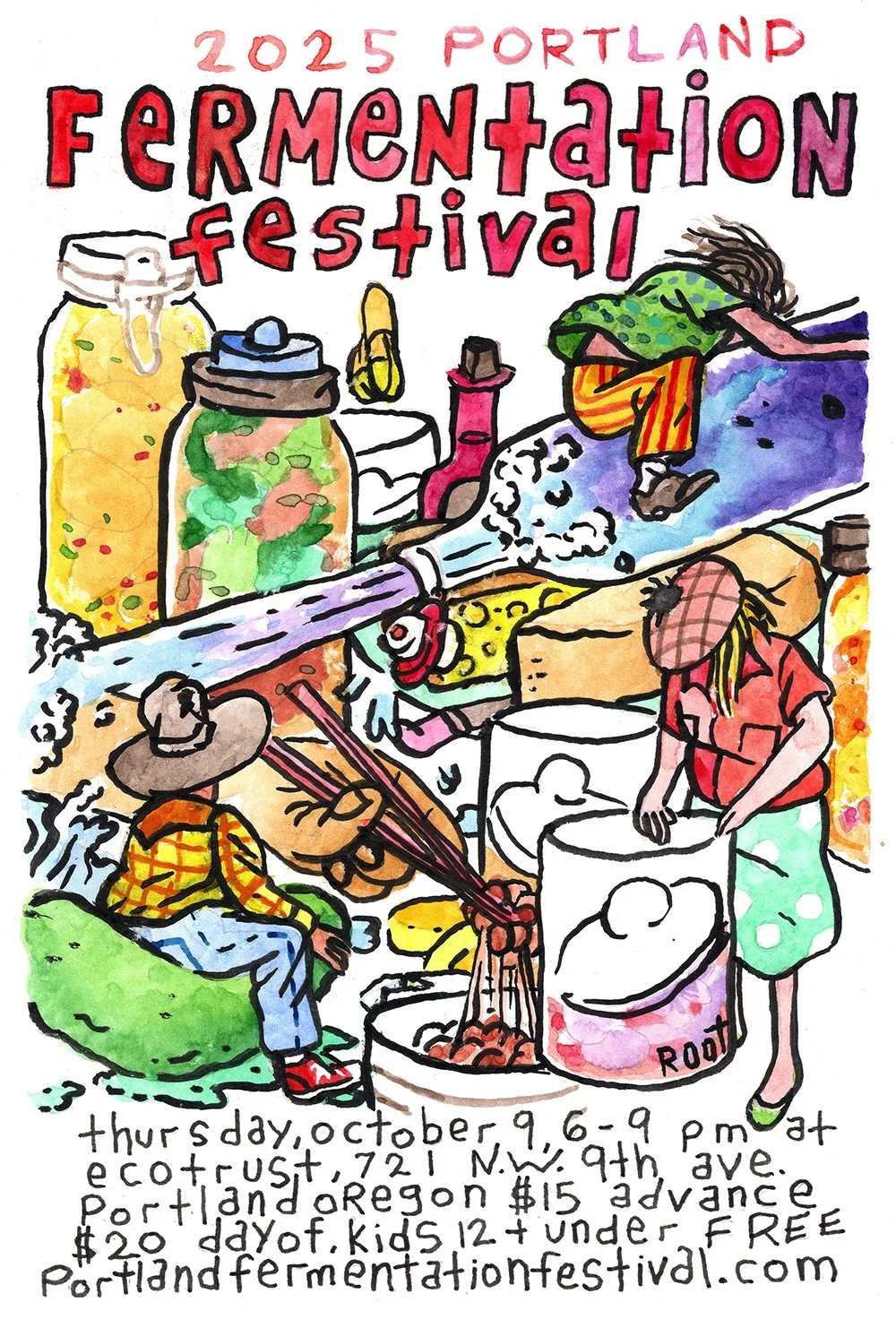
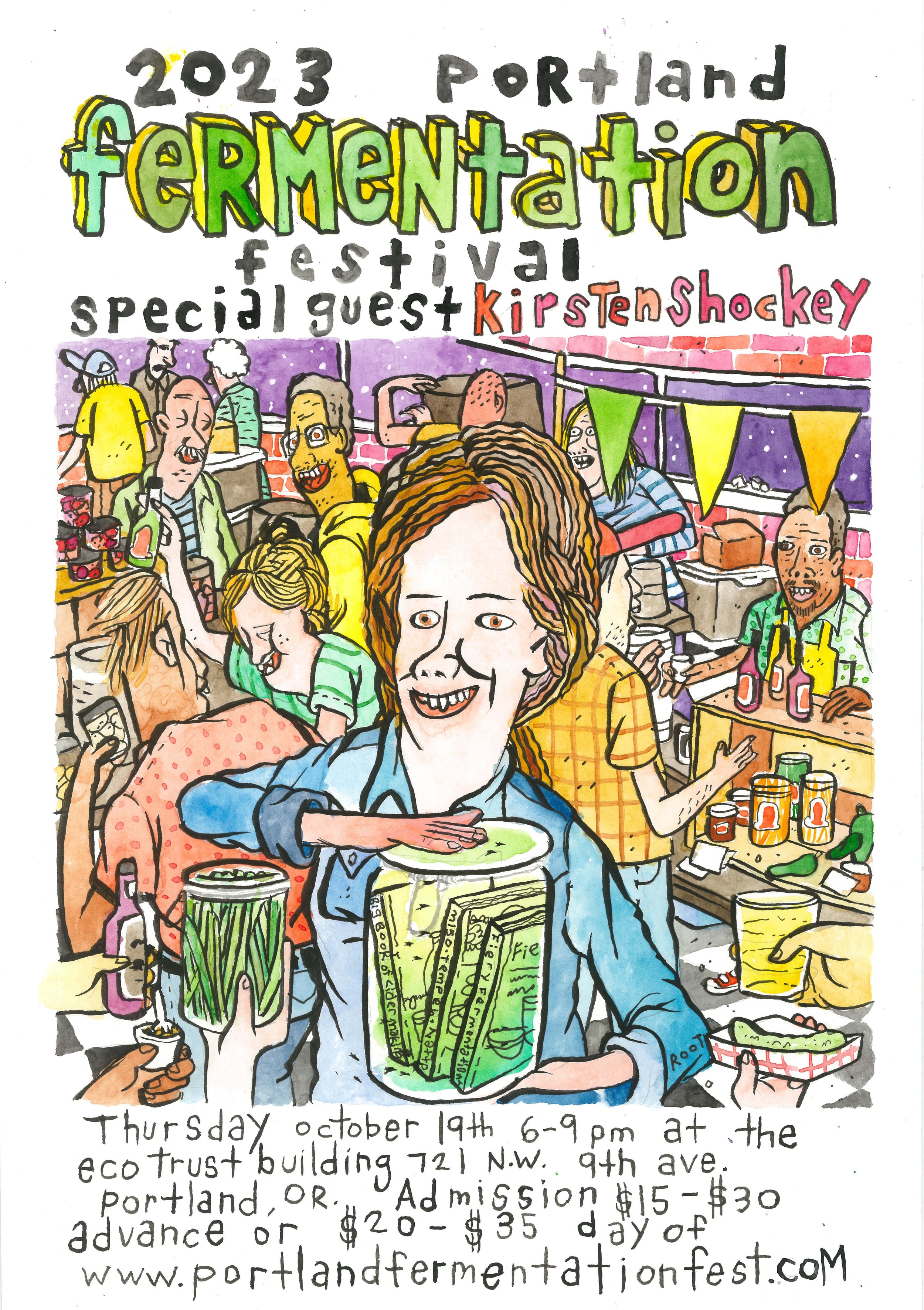
Thank you, Tim Root, for always making us the wildest and most fun fest posters every stinky year. We love this year’s poster so much especially the rodeo-brute riding the briny pickle and the wild fizzzz bottle rocket rider! Thank you, Tim!

All of Stinkfest’s 2025 exhibitors are listed here! This year we had a handful of lovely new-to-Stinkfest exhibitors — Okome Kitchen, Philosopher Foods/Gut Nuts and Lucky Foods. We hope that they all come back next year!
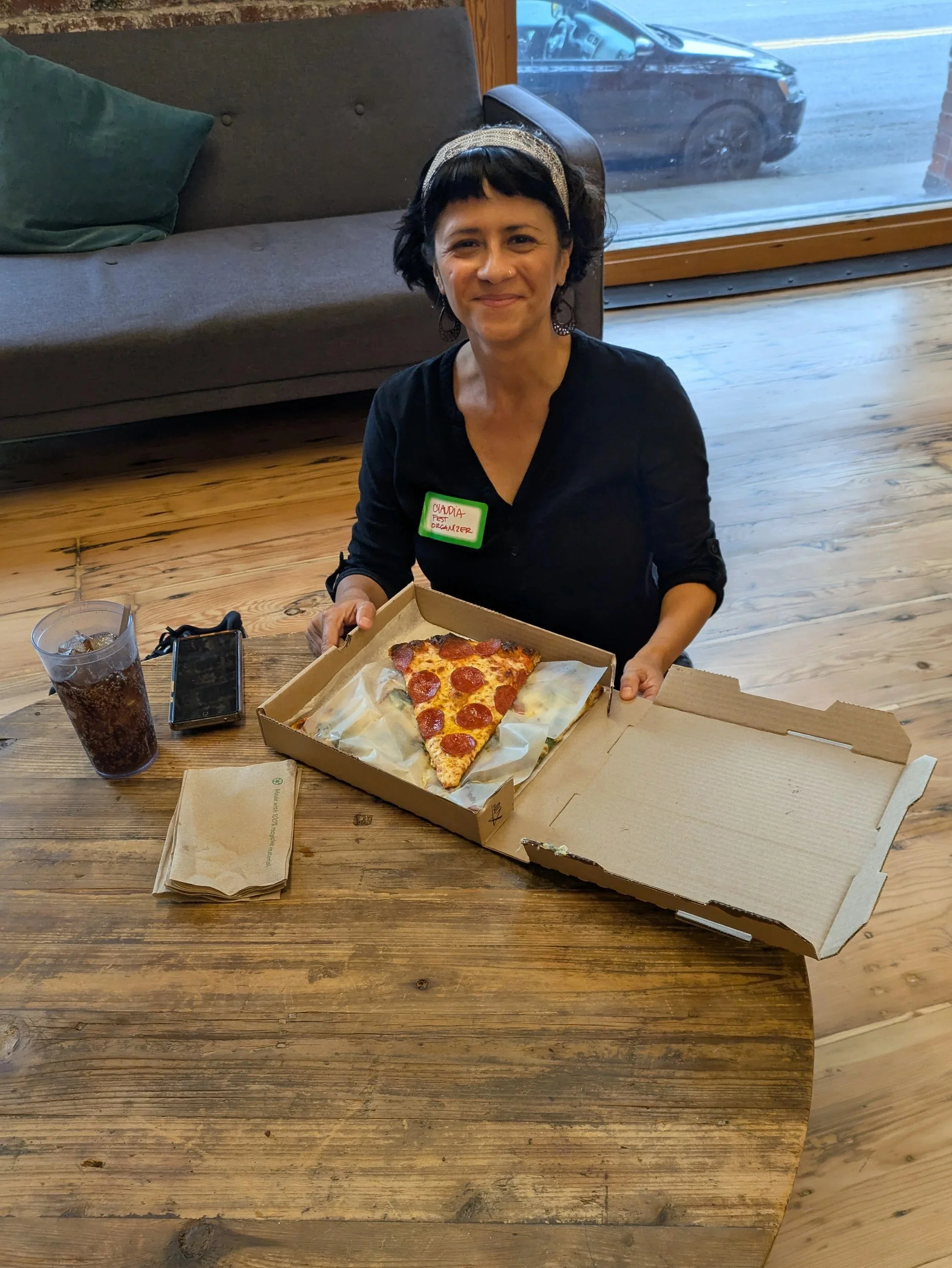
Fest co-organizer, Claudia Lucero of Urban Cheesecraft, after we Queens had set everything up getting a quick slice of pie from HOTLIPS Pizza next door before we opened the doors. We love HOTLIPS!

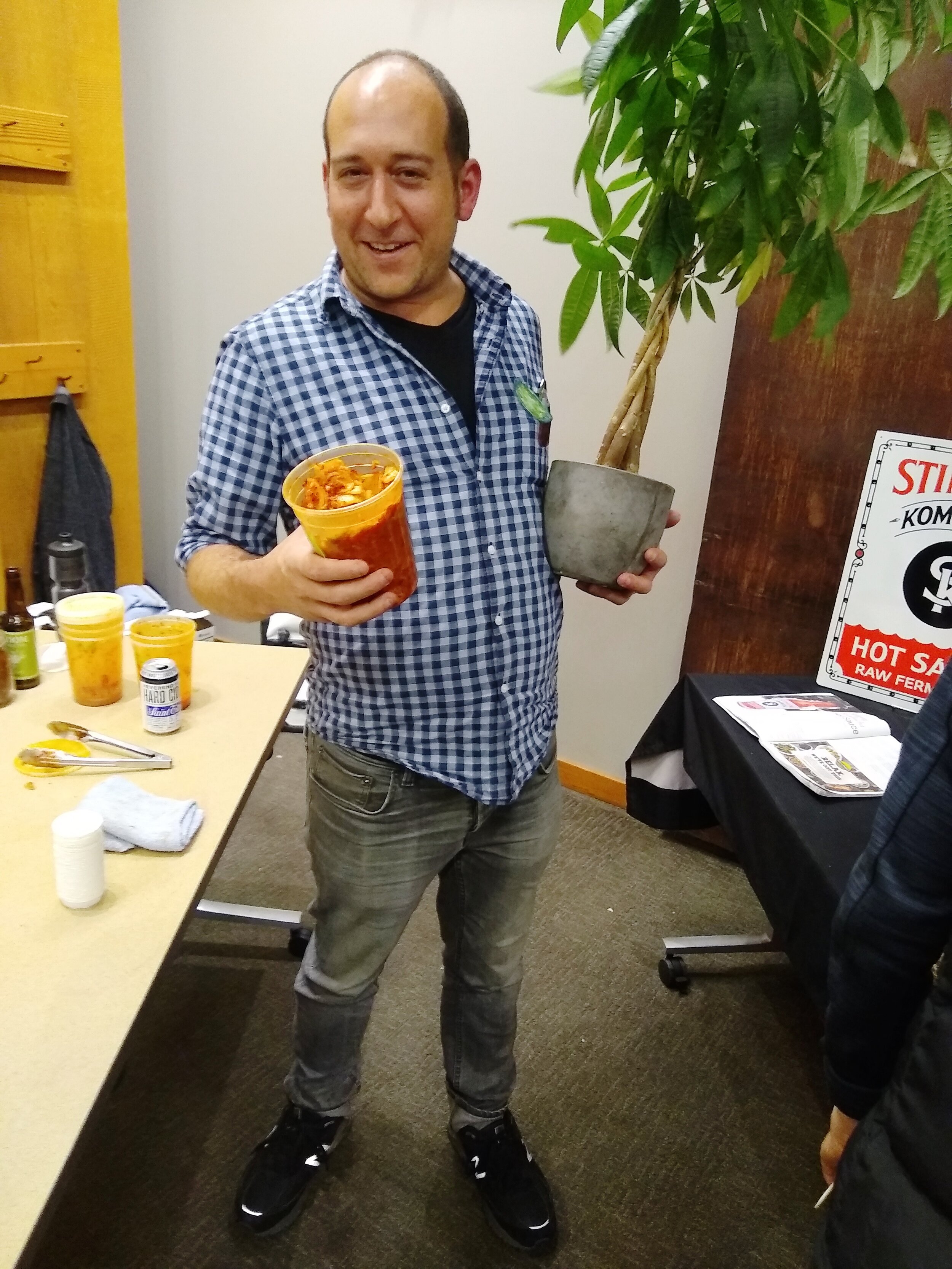
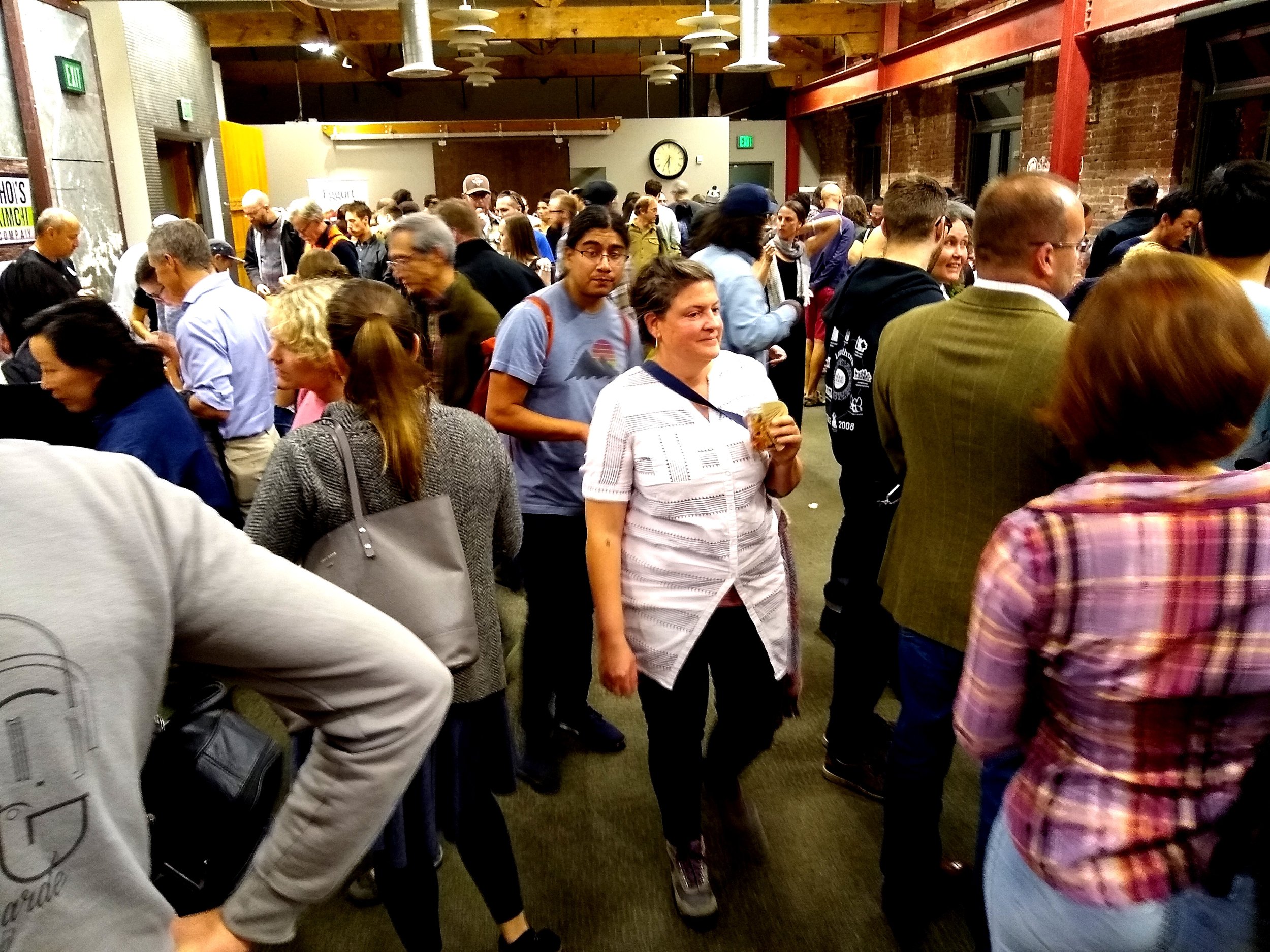
Stinkfesters! I snapped this once the fest was in full-swing. Everyone roaming around sampling locally made pro and amateur ferments, attending demos, checking out the fermentation stations, and basking in the STIIIIINK. So fun!
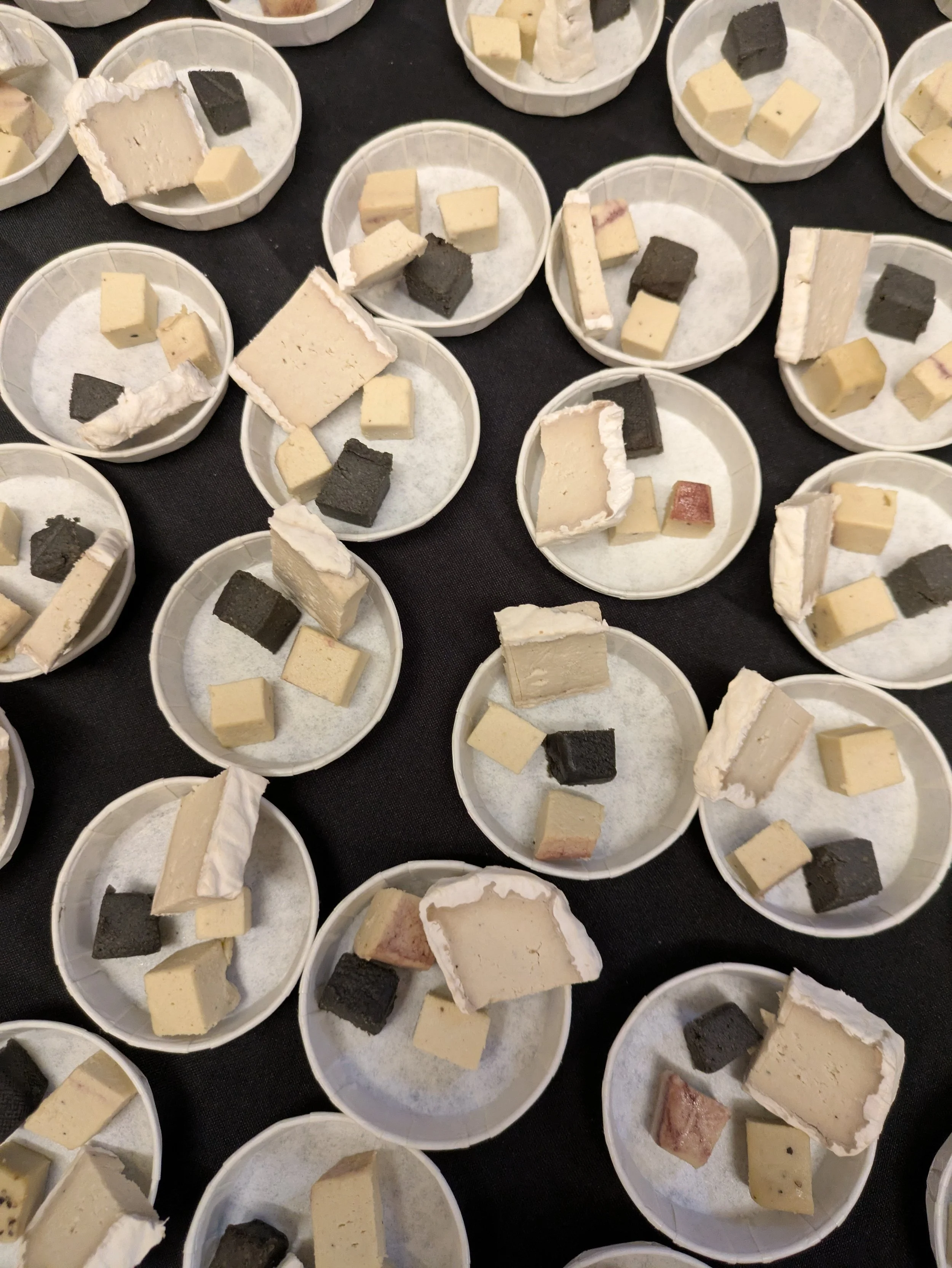
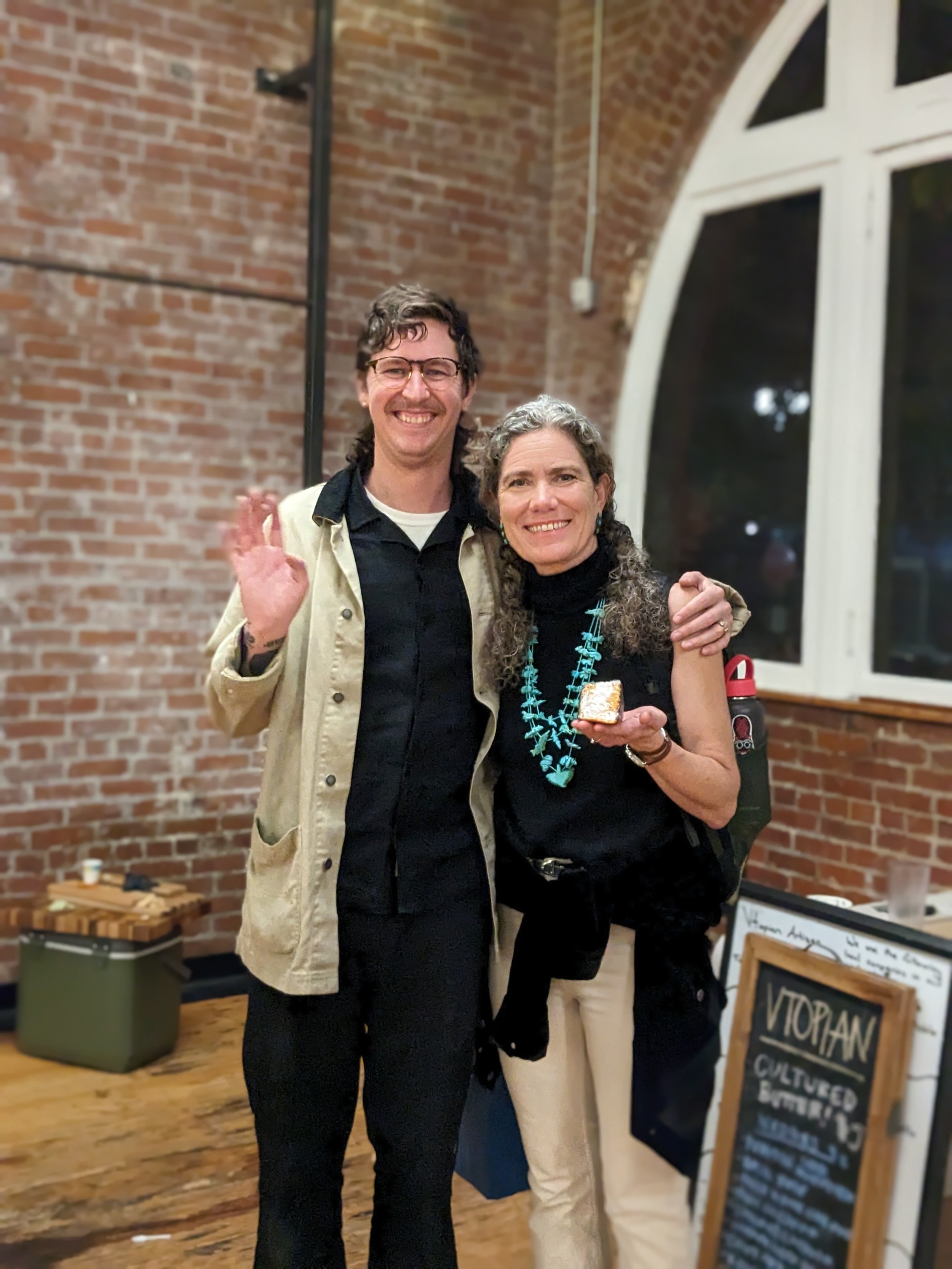
Check out these gorgeous plant-based fermented cheeses all made by the fine folks at Vtopian! So impressive. Have you been to their new space?! Check it out on NE Grand right next to Stark’s Vacuums.

Ryan and Kaylee slinging their deliciousness!

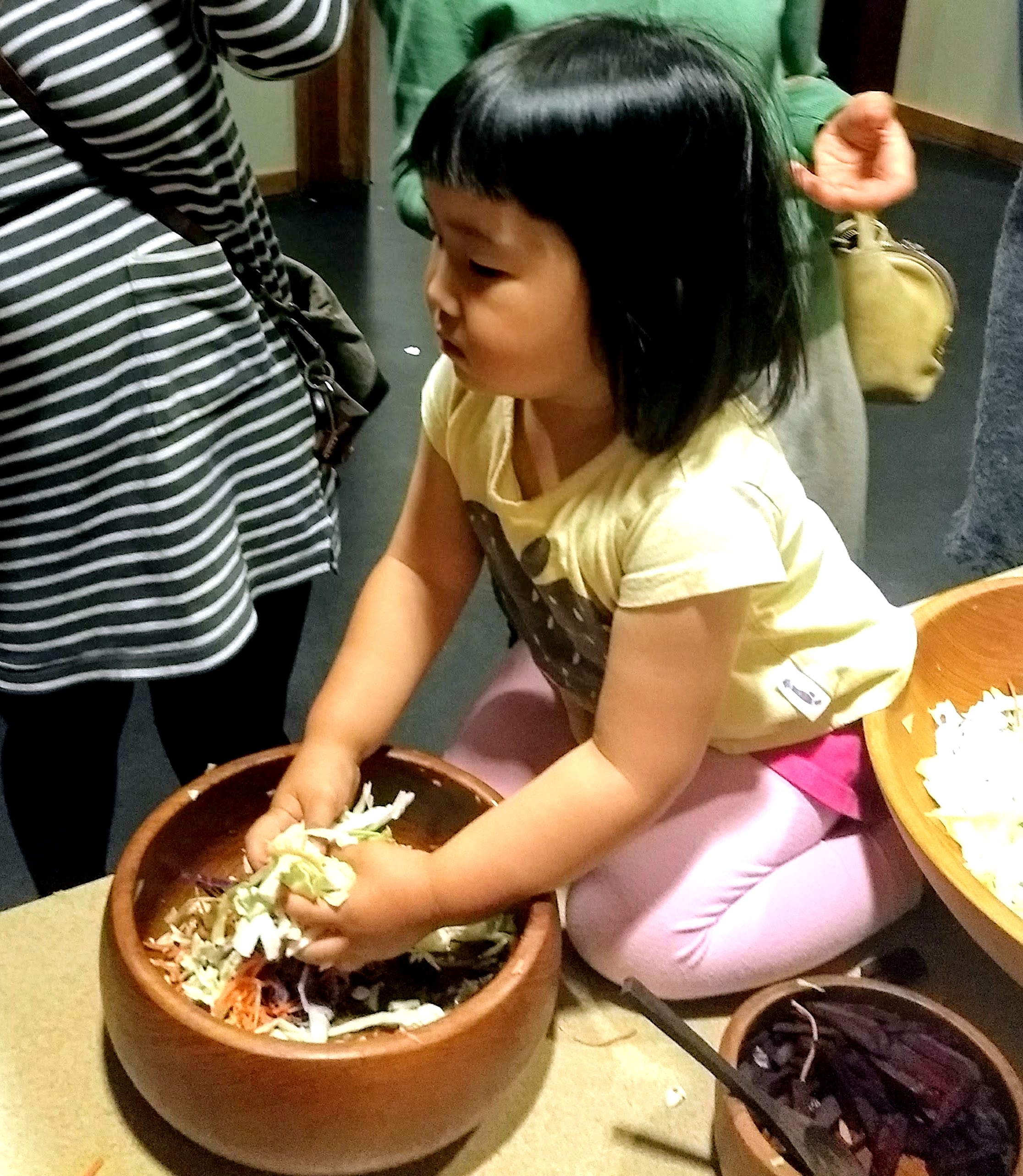
I love how many new folks I always meet at Stinkfest. We really encourage everyone to talk to one another, meet new folks, share ideas, share ferments, share a laugh. It’s such a fun and free and joyful event. YOU make it so by attending and being a part.

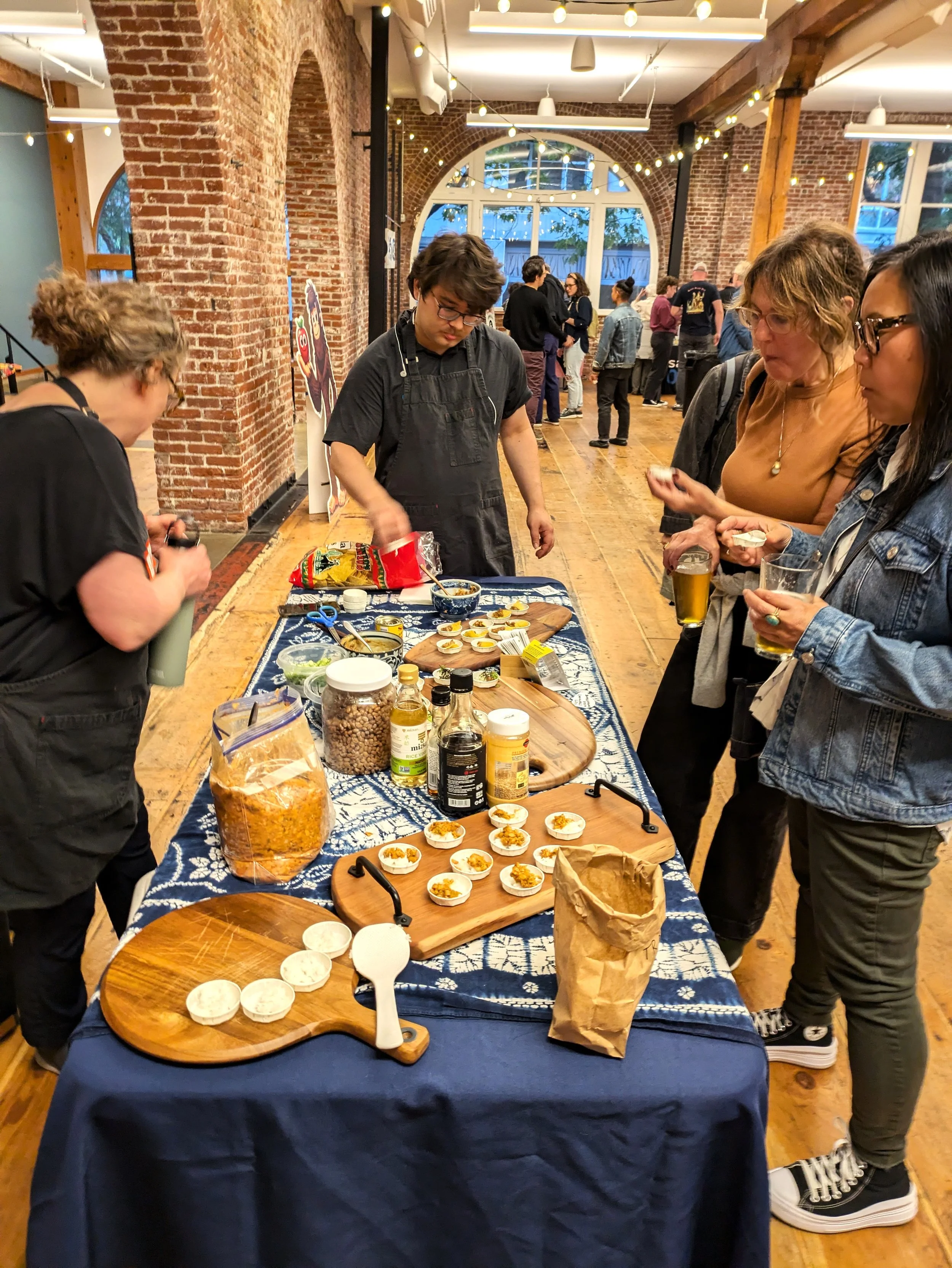
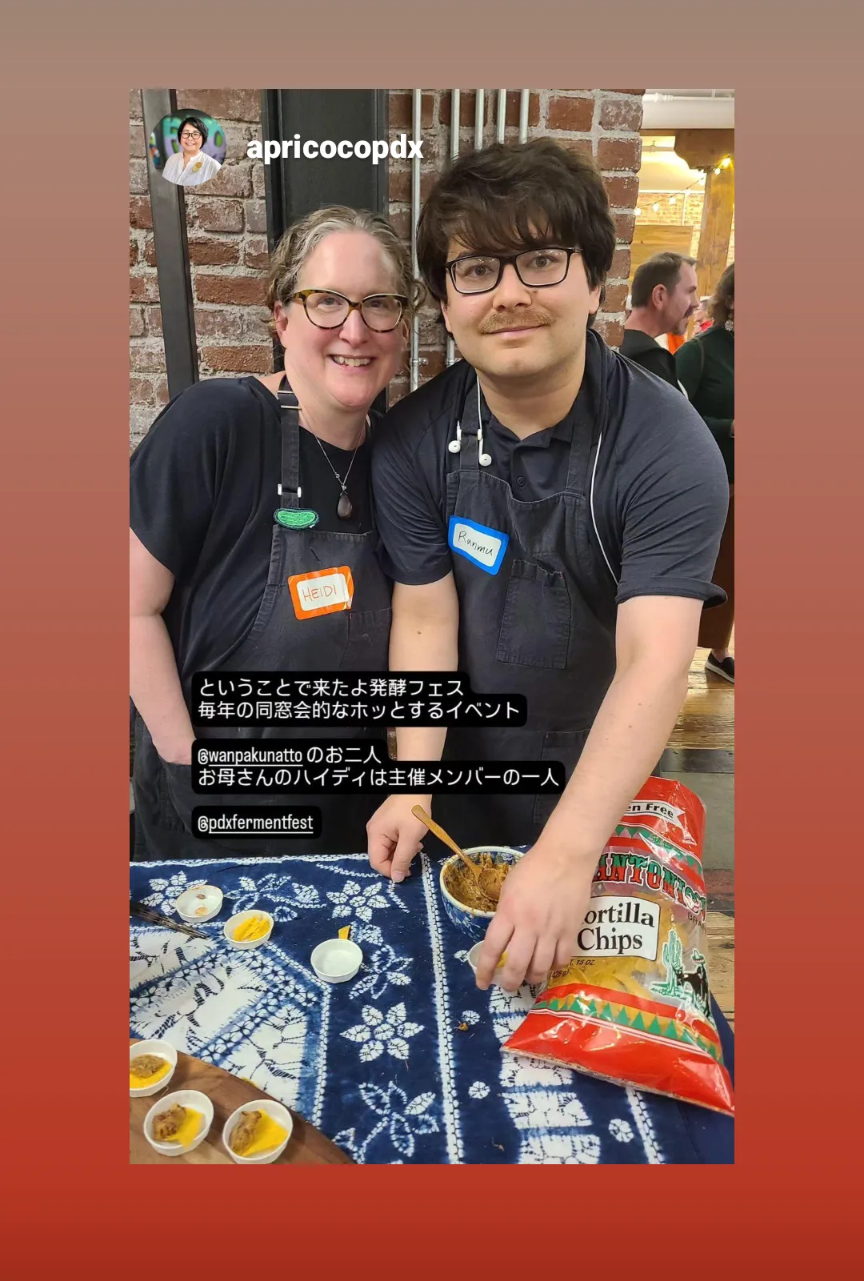
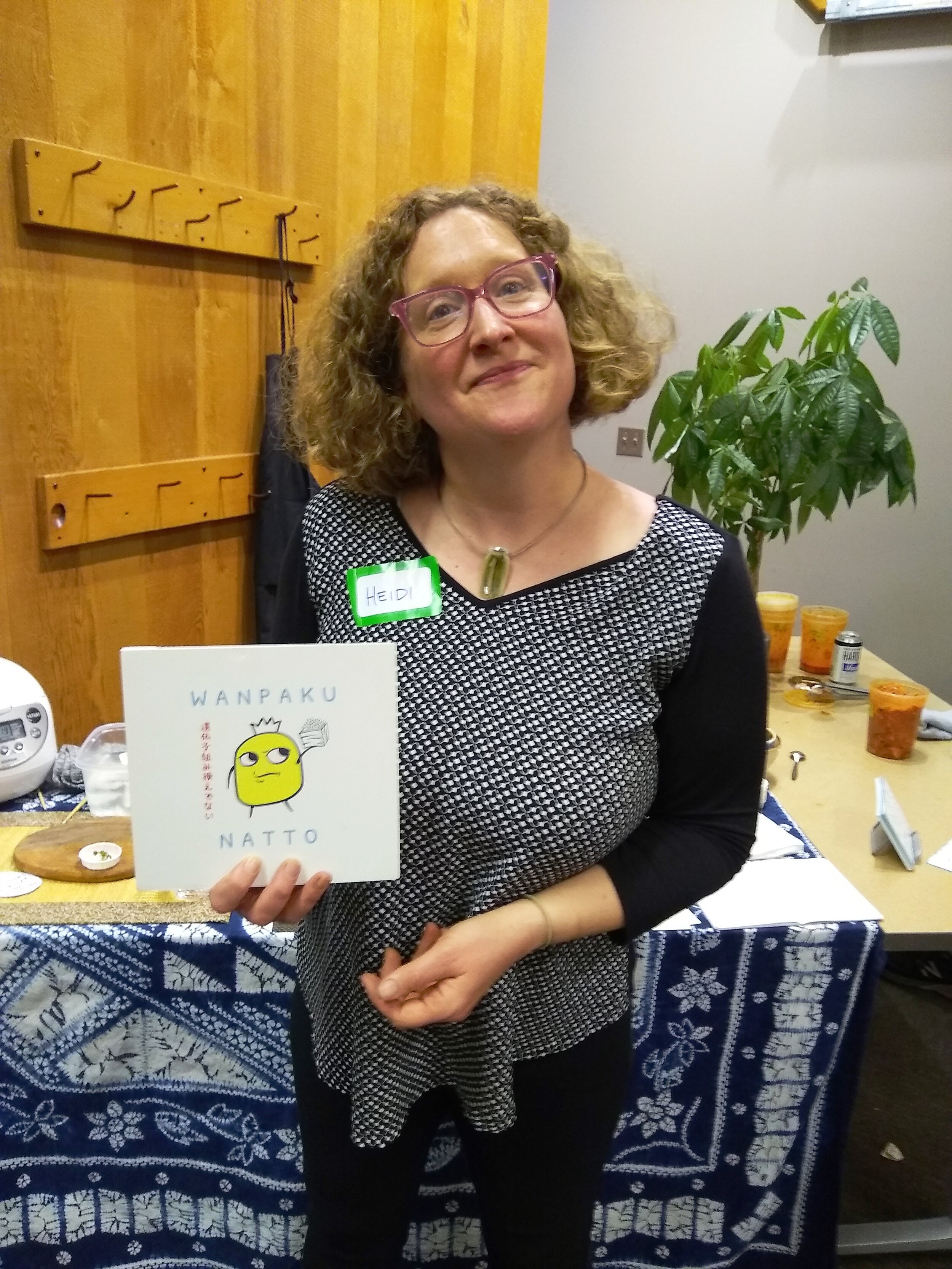
Fest co-organizer Heidi Nestler with helper Gretchan Jackson (not pictured is Heidi’s son and fest vet + helper Ranmu) setting out her yummy Wanpaku Natto samples including…

Garlicky yummy natto HUMMUS!
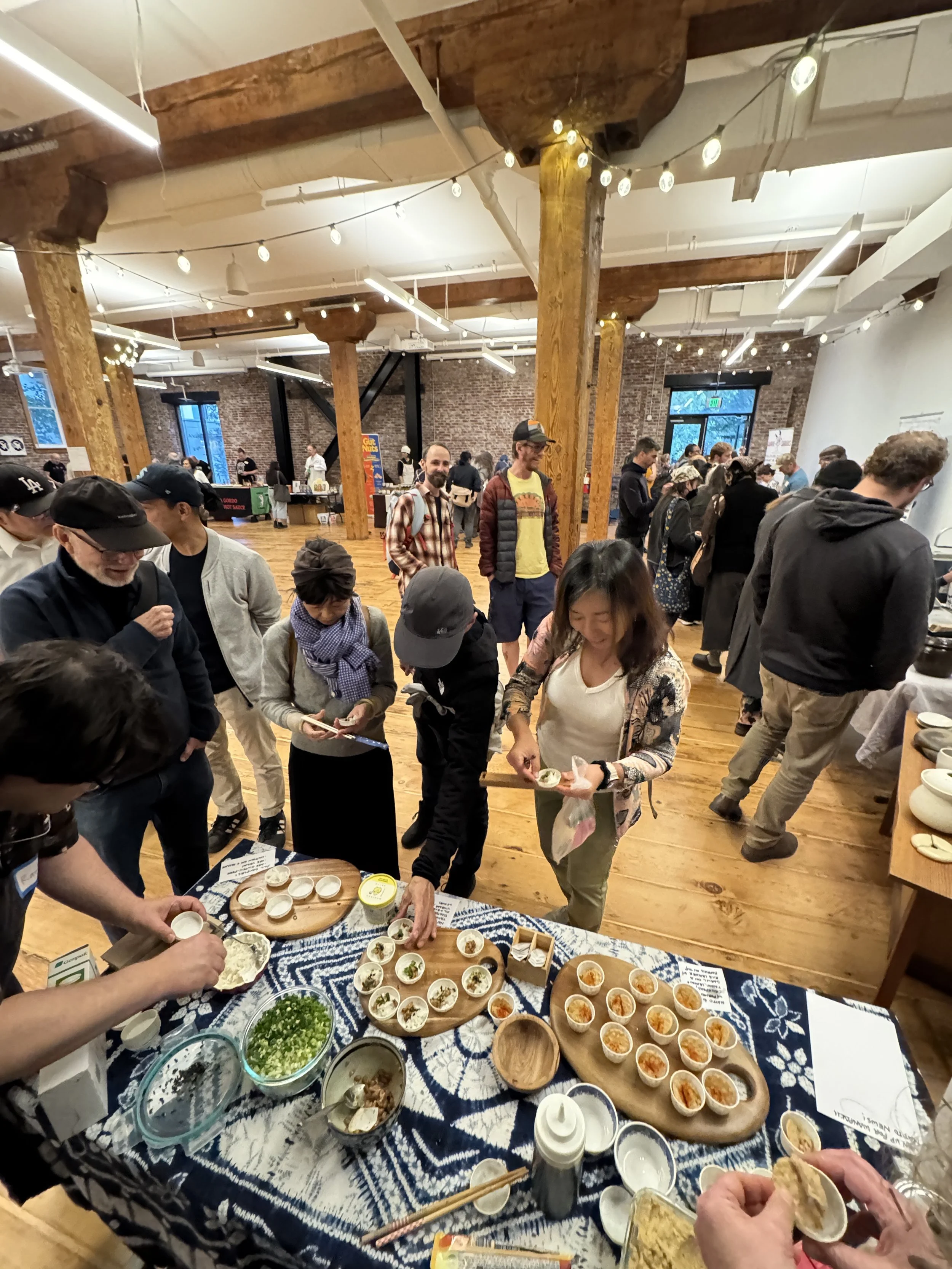
That hungry hand is grabbing a sample of Heidi’s straight-up natto with tamari, toasted sesame, oil & vin, and nori over sticky rice. YUM! Photo by Gretchan Jackson.

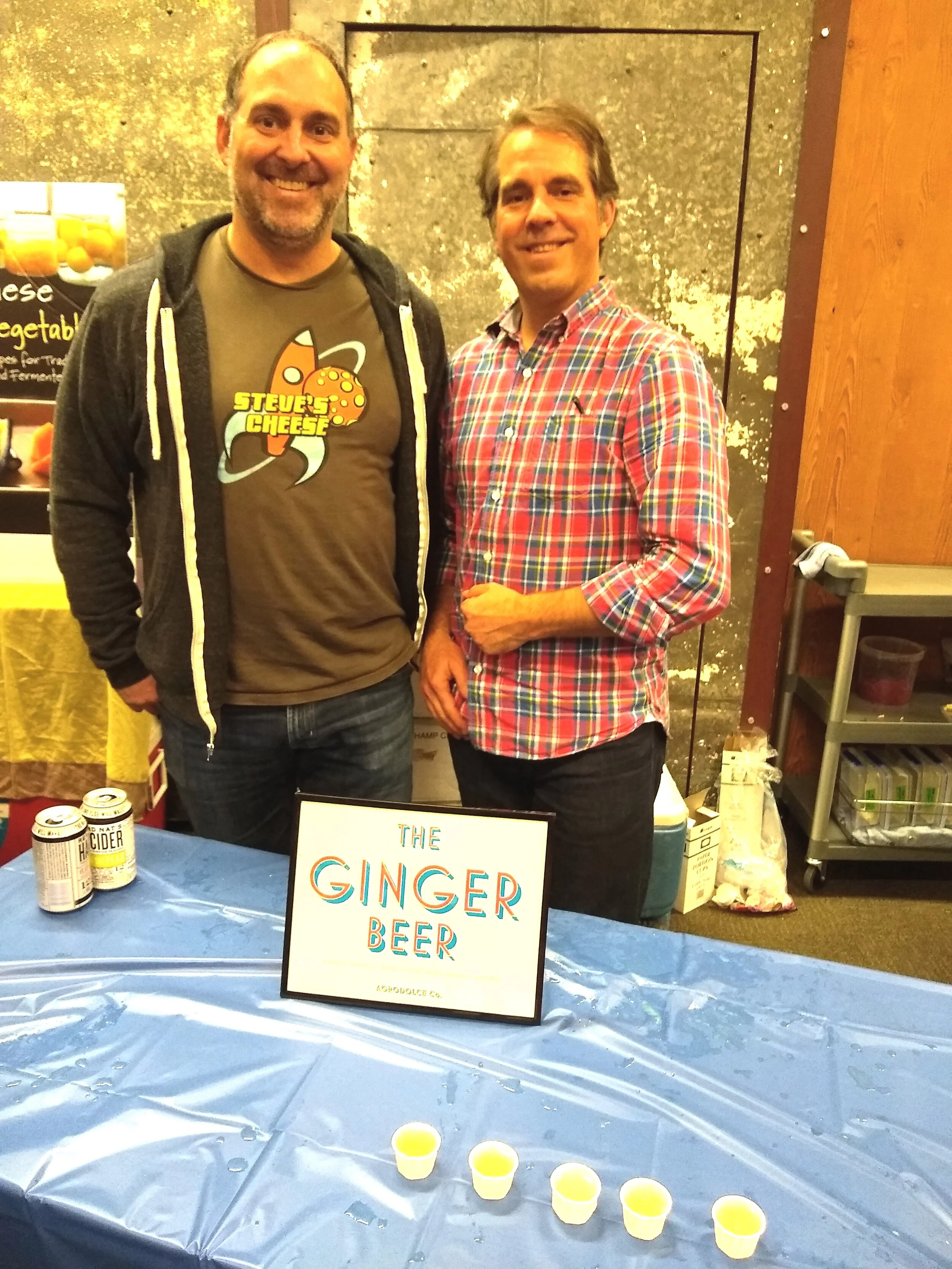
Brian Shaw and his son, Jude, always come out to the fest from Hood River to sample their Oregon Brineworks rainbow of veggie food and drink ferments. Everything is always so good. I got a couple of samples of their Ginger Gold Kvass fermented with carrots, beets, ginger and more and it made me so happy…

There table was packed ALL night. It always is. And, as a reminder, kids (and cute lil babies wrapped in quilts) get into Stinkfest for free. All kids 12 years old and younger!

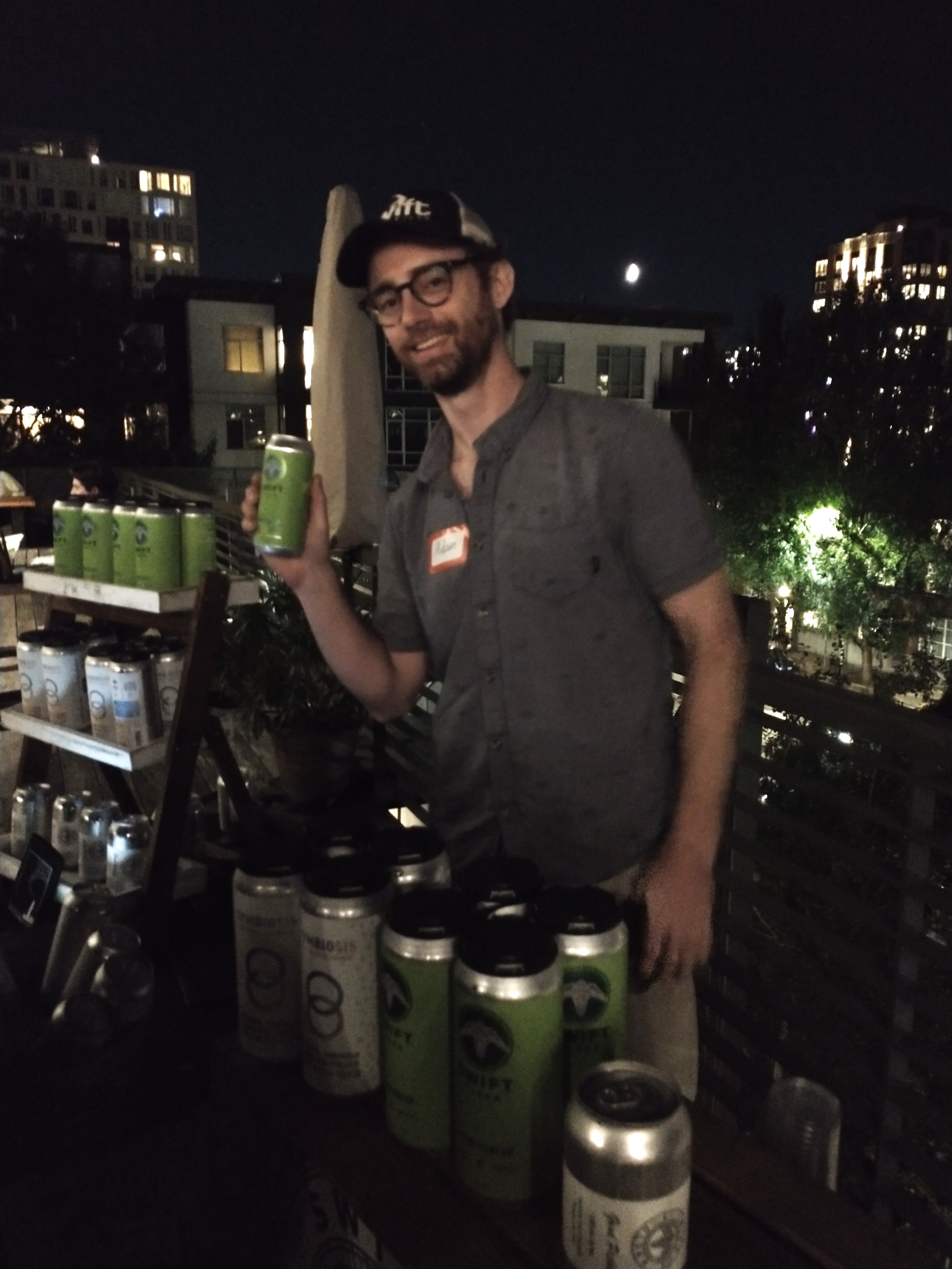
Super sweet fest attendees sipping on some tasty Witches’ Brew cider from…

Bigfoot Cider Company’s Brian and Kristina Wood. Last year was their first year sampling ciders at Stinkfest and we hope that they are a part of the fest forevermore. This year they poured four of their tasty ciders — Mystic Cider, Autumn Alchemy, Witches’ Brew and Forest Fire with its jalapeno-lime kick.

Throughout the night we had some very fun demos. I LOVED kicking off the demos with a DIY on sour dill pickles my buddy Dillon T. Pickle!

Dillon showed up early because he’s a very punctual pickle!!
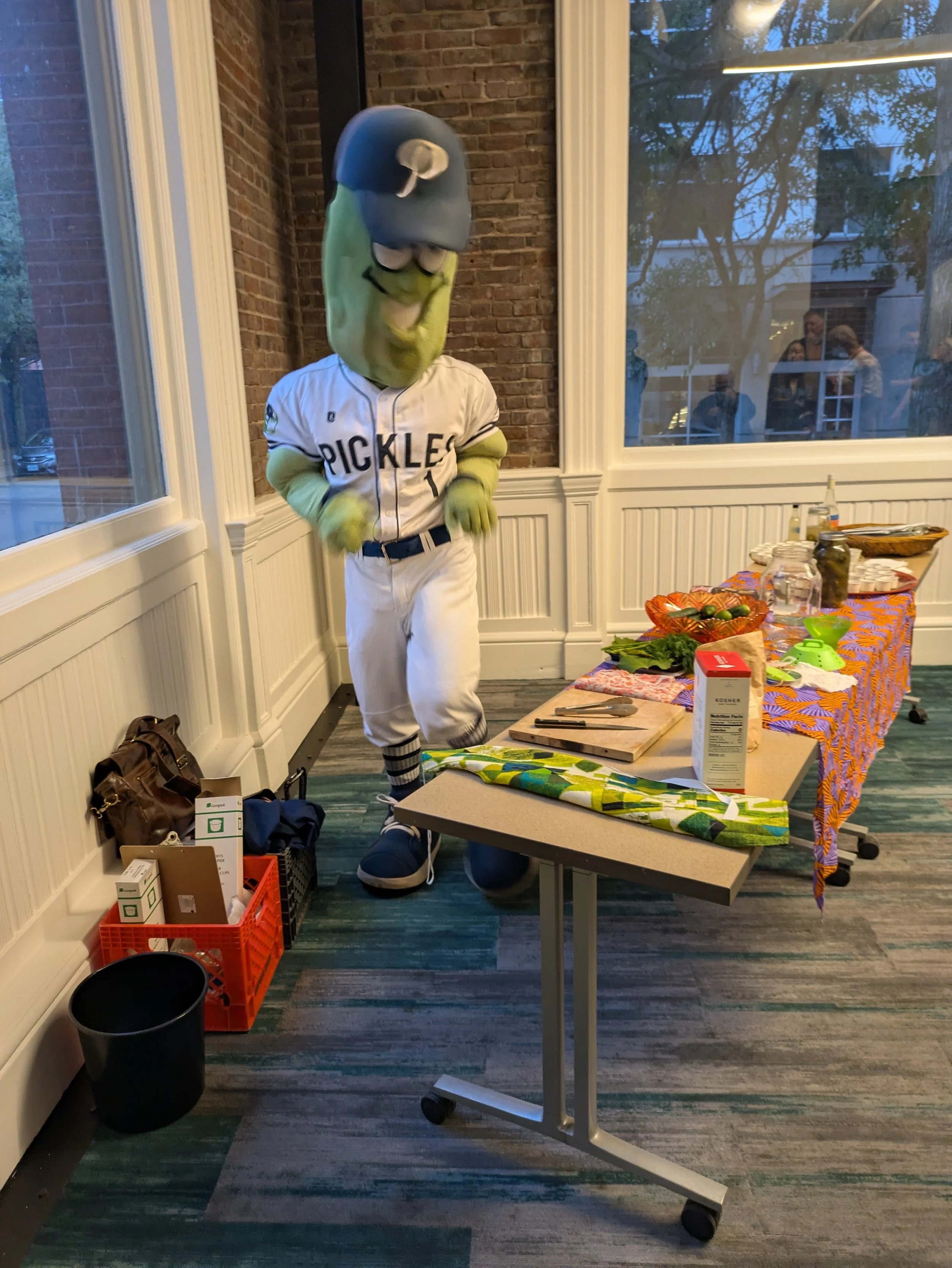
He was VERY excited!

And so was I ;) Sorry I only have a couple blurry photos of us together for our demo. We took everyone through the steps for making sour dills at home from vine to jar, and we also sampled the pickles and the brine. I also have this photo…

Of me and Dillon when I threw the first pitch this past summer at one of the Portland Pickles vs. Walla Walla Sweets baseball game. A historic WIN for the Pickles!!! So fun.

Pickle demo attendees enjoying some post-demo fest fun, including my friends and fest volunteers, Loly and lil Jaspie. And…

What those demo pickles look like now, a week later! They are getting nice and tart, the skin is shifting from kelly green to olive green, and the interior is no longer a ripe solid white but more light green and translucent. It’ll be be just a day or two more of countertop fermentation until we crunch into them! Then into the fridge they will go.

Out in the lobby our festival ticketing table crews — three shifts throughout the night — brought so much love and care and organization (and FUN) to everything. As they always do. Here = Michele and Phoenix! Phoenix and Loly make all sorts of fest pins for us year after year, like the felted ones (vinegar mothers and fuzzy pickles) on Phoenix’s cardigan.

We had a door prize this year that a lucky 25 fest attendees got (and us Queens each got one too!) — a silicone KrautKeeper fermentation weight! Winners also received an instruction guide and fermentation tracking sheet. The KrautKeepers shipped all the way from IOWA! They’re designed for gallon-size jars, to keep your tasty veggies below the brine. We’re excited to try ours out (I think I’m going to maiden voyage mine with a beet or carrot kvass) and excited for all of you lucky winners to try yours, too. Please don’t forget to reach out to the makers, Mike and Aaron, and give them your feedback once you’ve used yours. They are a fairly new startup and would LOVE to hear from you. https://krautkeeper.com/
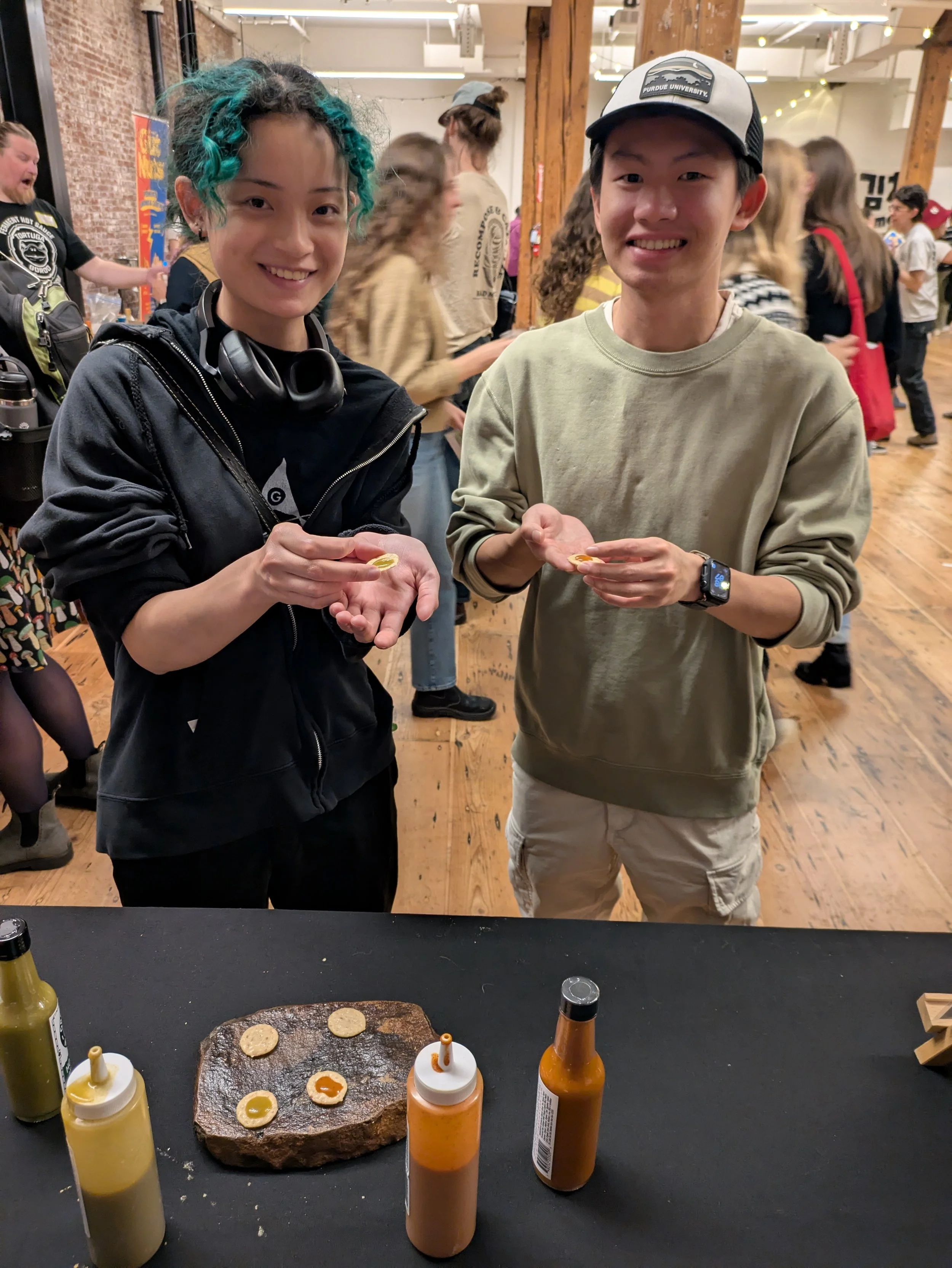
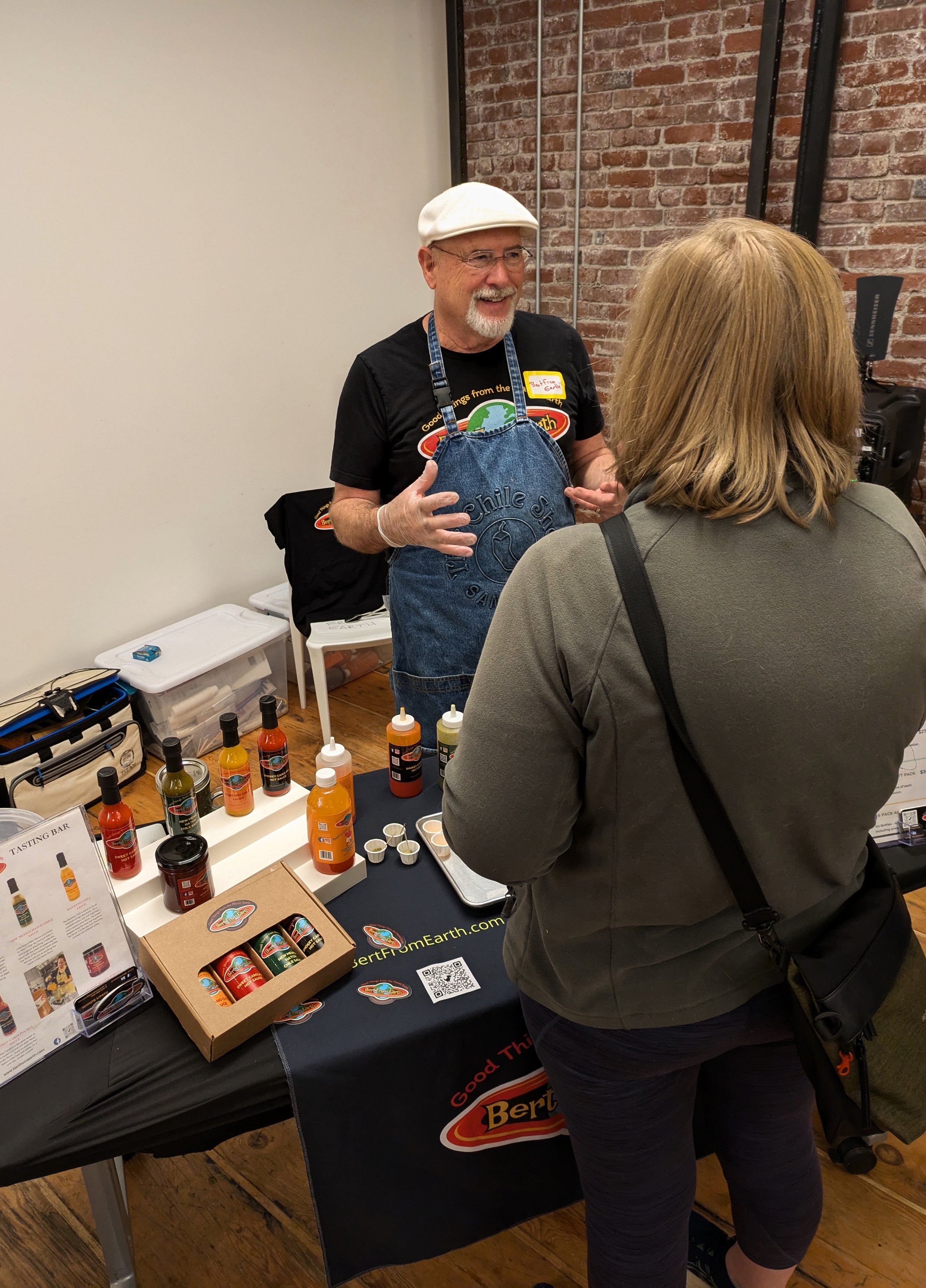
I took over Karel’s Vitek’s Stinging Kombucha Hot Sauce table for a short time during the fest to give him a break and when I did I met these two fun ones. They both were super into Karel’s tangy kombucha-based hot sauces and all things fermented. They’ve done some fermenting themselves and got a lot of ideas and inspiration for home makes at this year’s fest.

Karel back in his fest spot sampling his super yum fermented Stinging Kombucha Hot Sauce!

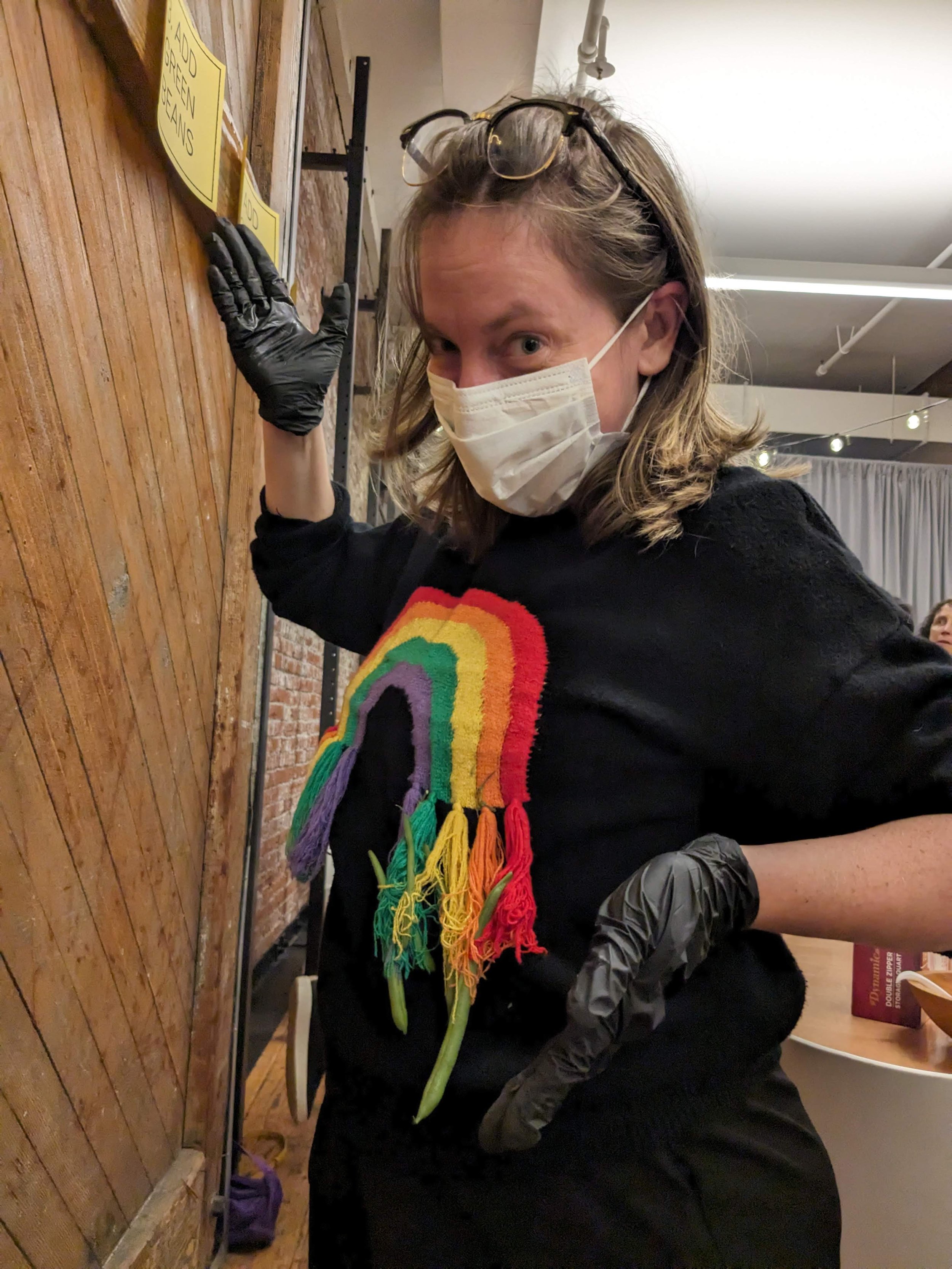
The Bacterial Petting Zoo is always a fest highlight. I’m so glad that Claudia, fest organizer aka Queen and founder/owner of Urban Cheesecraft pictured here, came up with the idea for this one a few years back. It’s so informative! And I guarantee it’s one of the most unique petting zoos in the WORLD!

You get up close and personal with all sorts of cultures, molds, yeasts, and other beneficial microscopic critters.

Hi, Tomas!

Stacey Loy was the other host with the most (thank you so much, Stacey!) at Stinkfest’s Bacterial Petting Zoo. Nattooooooooo! Thank you, Claudia, for this sweet photo.

Humi and Jason of Obon Shokudo have been festing with us for many, many years and they used to serve their cooked foods and ferments up on the Ecotrust rooftop before we grew/moved the festival to the ground level. They sampled their incredibly savory and yummy whipped potato salad topped with koji’fied hot sauce at this year’s fest and I want some more NOW!

Close-up of it. Their kanzuri hot sauce (fermented chili paste/hot sauce made with koji + chilies + yuzu) topper here has four different types of chilies blended into it.

This year we welcomed Lucky Foods to the fest! They’ve been fermenting and crafting their kimchis and prepared foods in Portland since the 80s. Brian and Rachel had quite the spread and all of it was bright and spicy and delicious. One of the fest faves this year was their chunky and tart and full-flavored Pico de Kimchi.

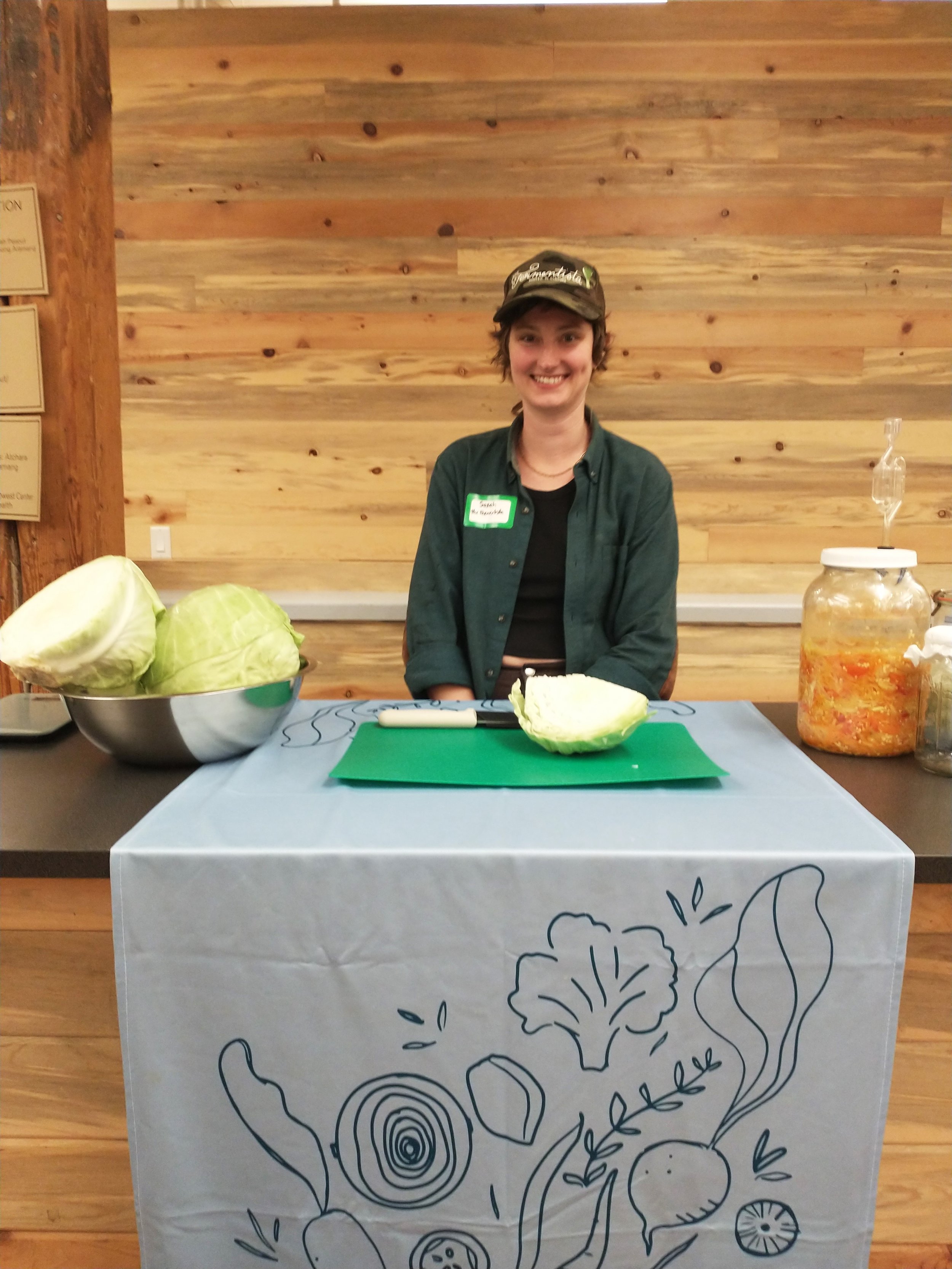
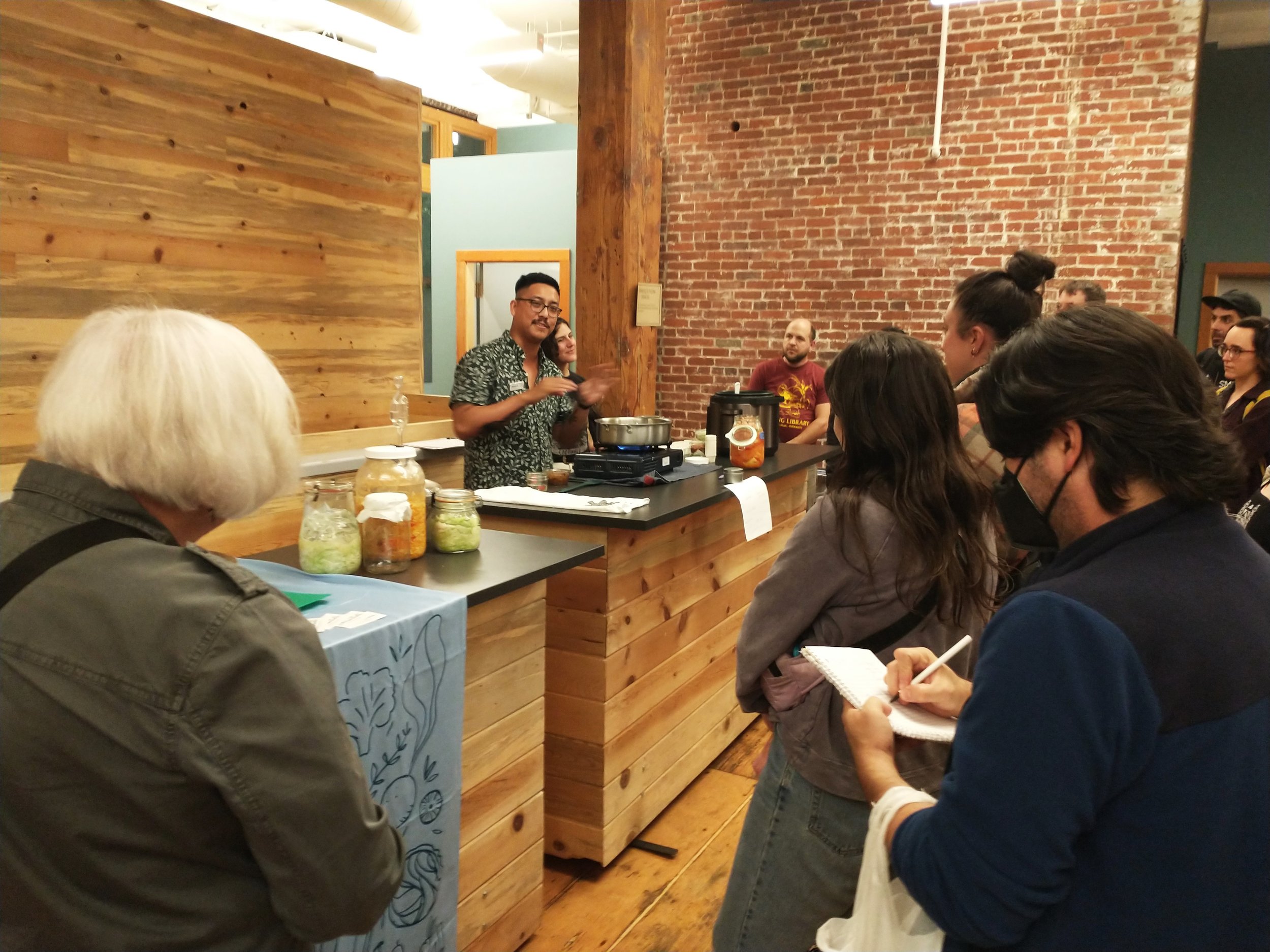
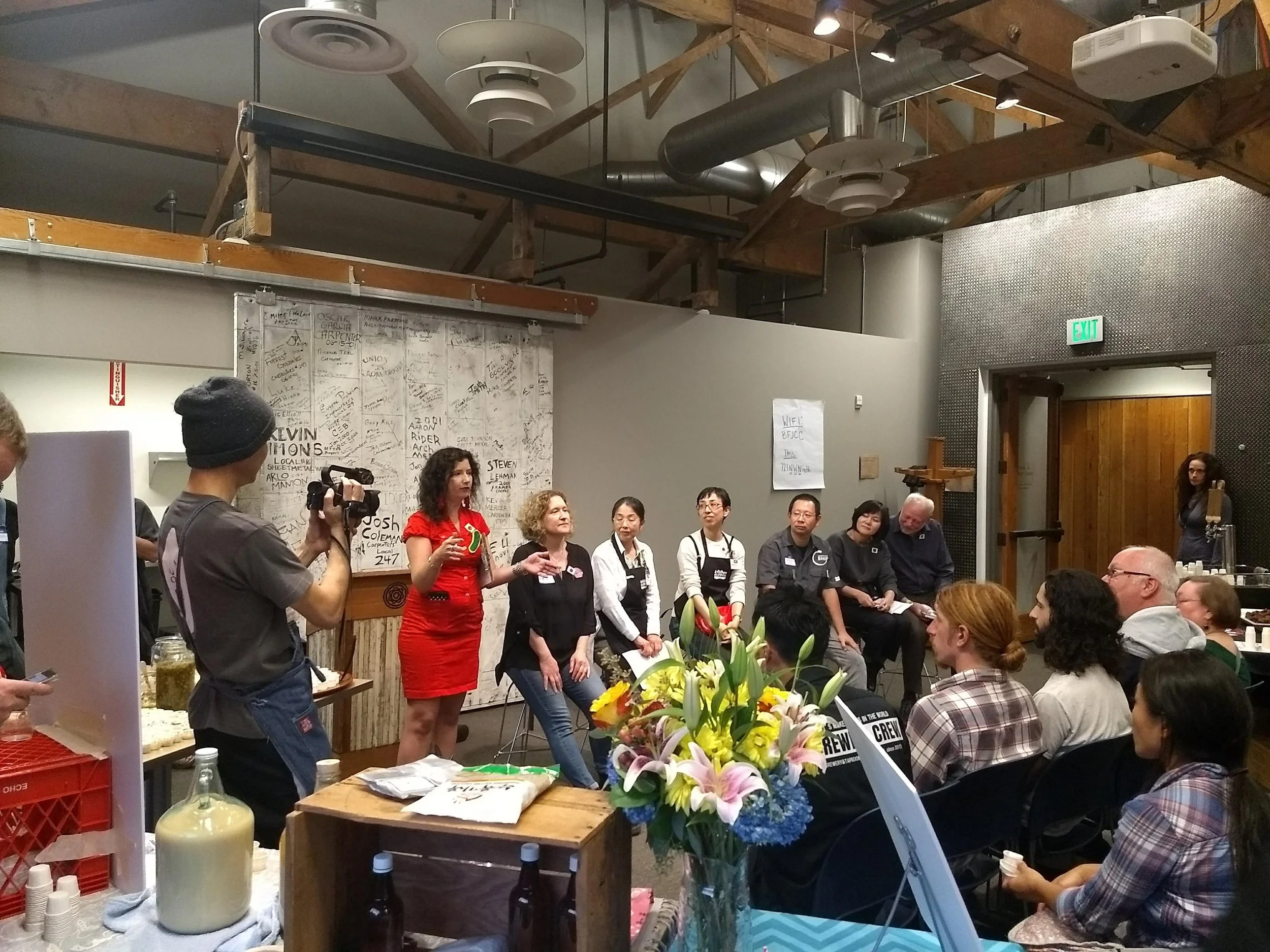
Sarah Pesout aka the Fermentista, did the second demo of the night — she took fest-goers through all of the fermentation steps from fresh and crunchy kohlrhabi to fermented kohlrabi. She’s great at explaining all the steps, and making a ferment feel easy and doable.

She packed the demo room!
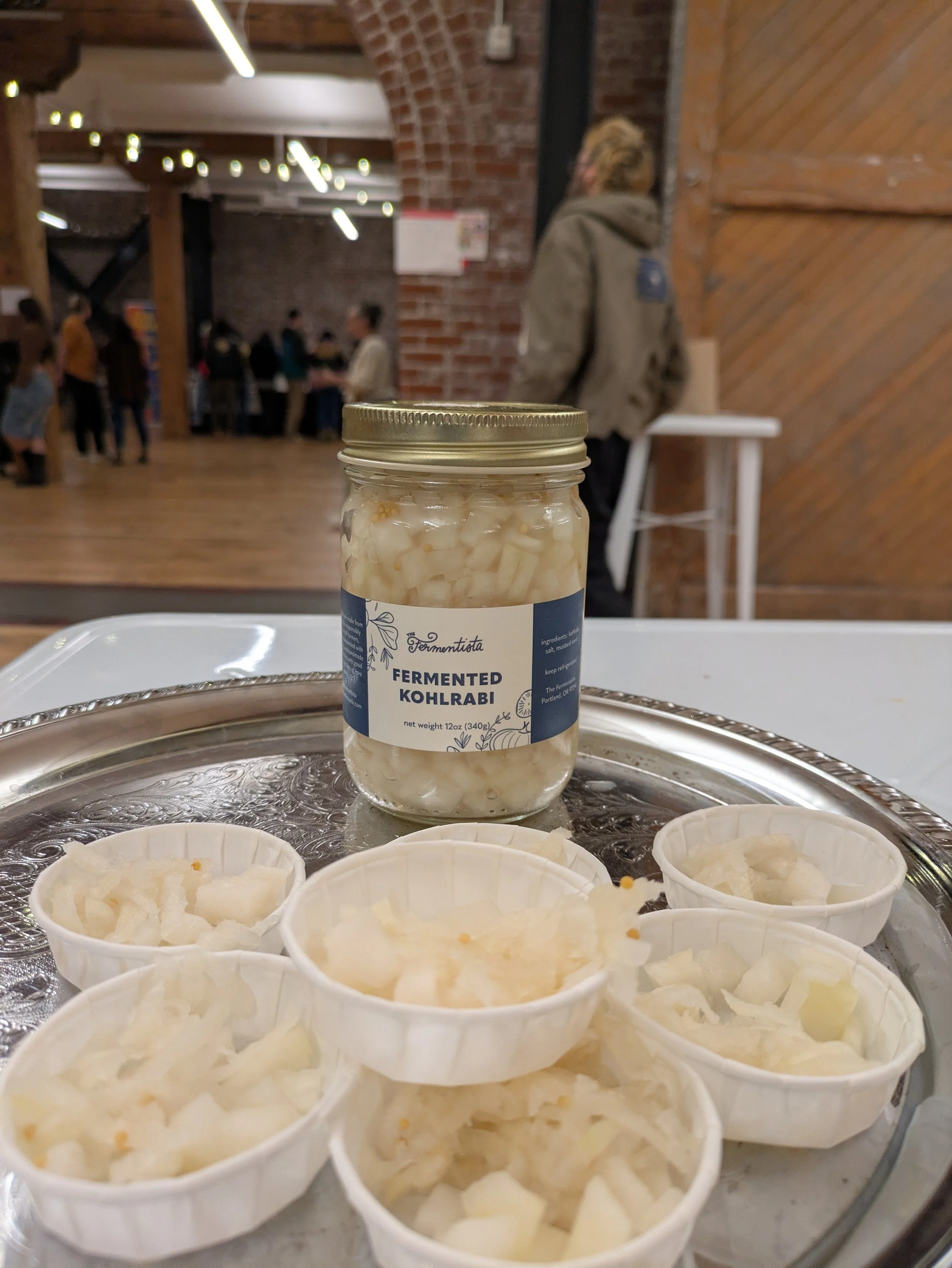
And generously plated up her remaining fermented kohlrabi for fest-goers who didn’t get to attend the demo. Juicy, crunch, YUM!

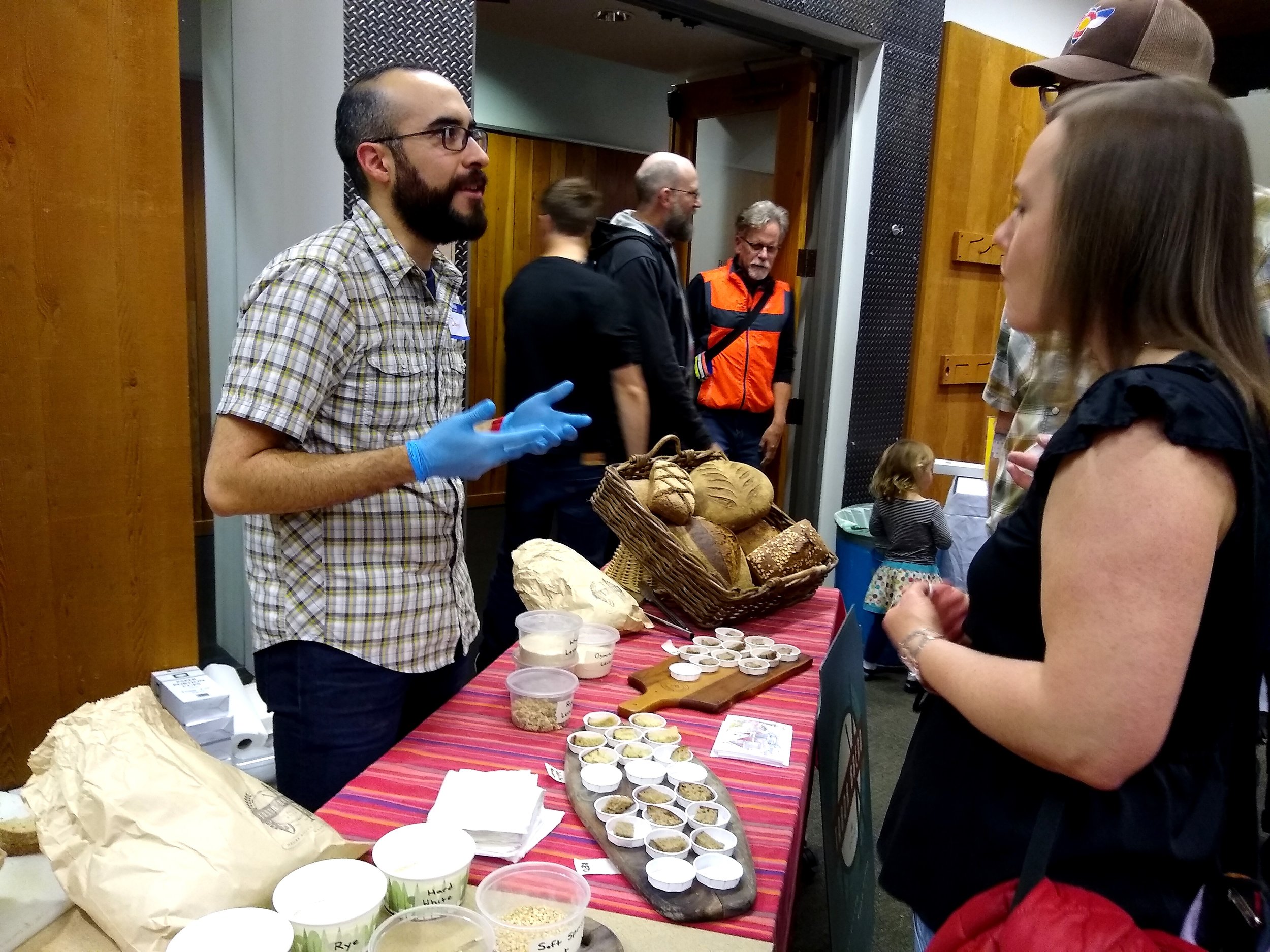
Tim Richards here wins the prize for furthest journey to Stinkfest this year — he traveled to Portland all the way from Santa Cruz to sample and talk up his yummy Philosopher Foods’ Gut Nuts — fermented almonds and cashews!

Everyone wanted to try them and Tim took a lot of care explaining his process and product to fest-goers.

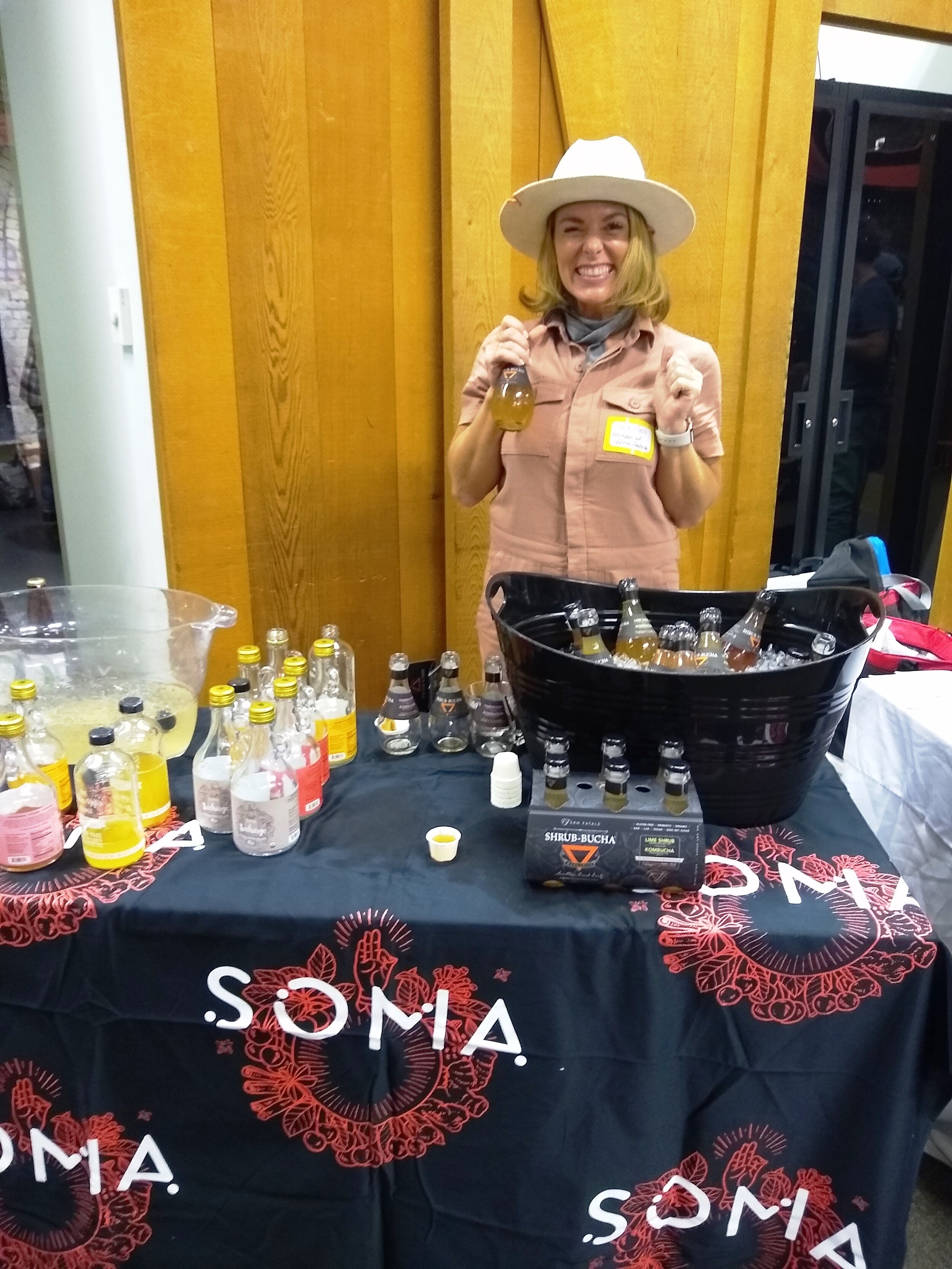
We love Sauvie Shrubs! They always bring a rainbow of them and they are all so fresh and zippy and fruity. And colorful! The cantaloupe-mint made me really happy.
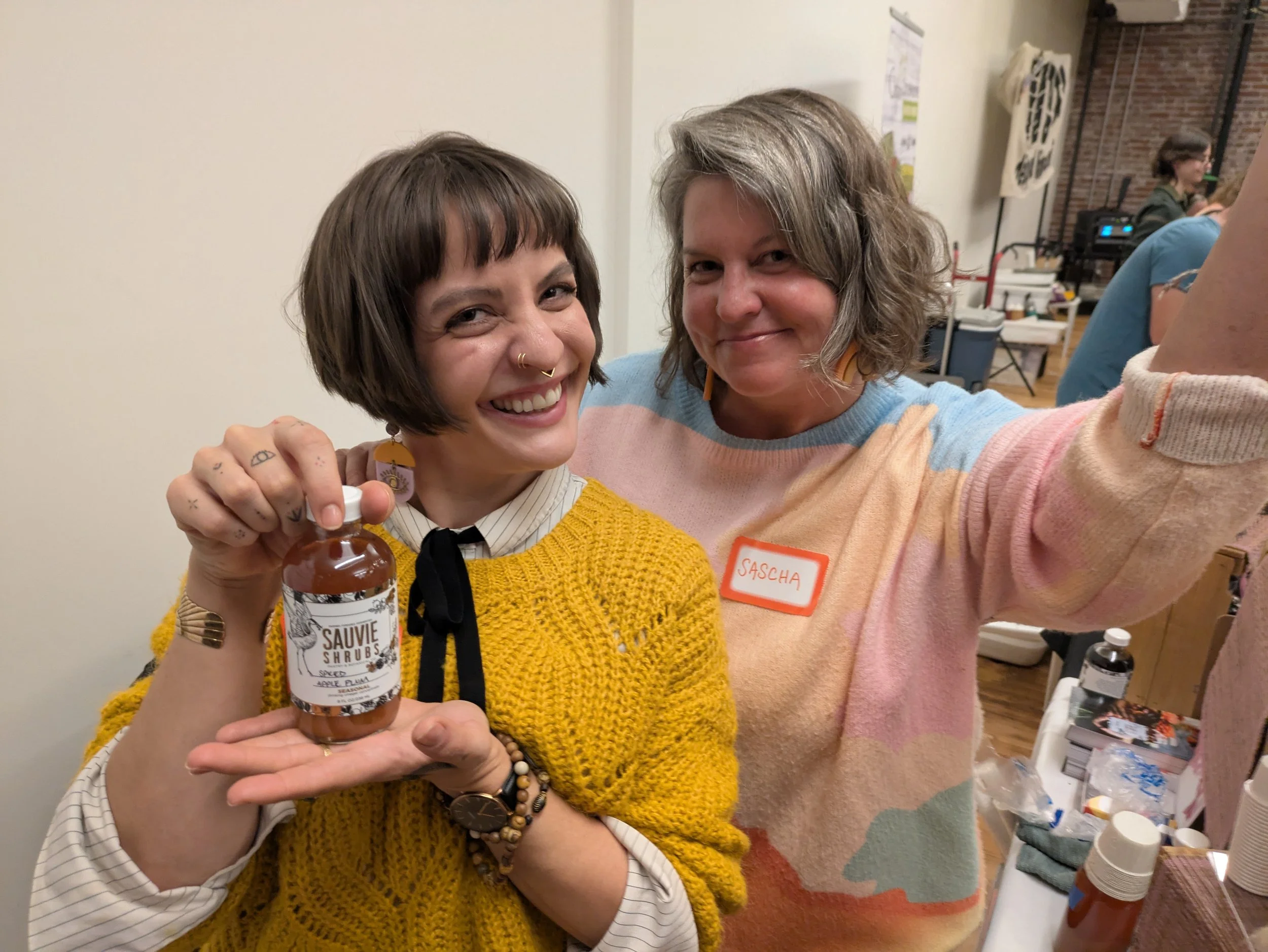
And look at how sweet! Sascha and Chai of Sauvie Shrubs spreading the love and SHRUUUUUUB!!

For the past several years, we’ve had our fest Starter Barter & Adoption Center where we encourage fest-goers to bring and take all sorts of ferment cultures/starters. I always make sure to bag up some of mine and print up and affix recipes and how-to’s for them. This year I brought lil baggies of my water kefir grains, kombucha SCOBYs and vinegar mothers.

These all went VERY fast. And I love that Careen Stoll of Luscious Porcelain (longtime Stinkfester) lent us her beautiful dish in the foreground to display some of the giveaway cultures.
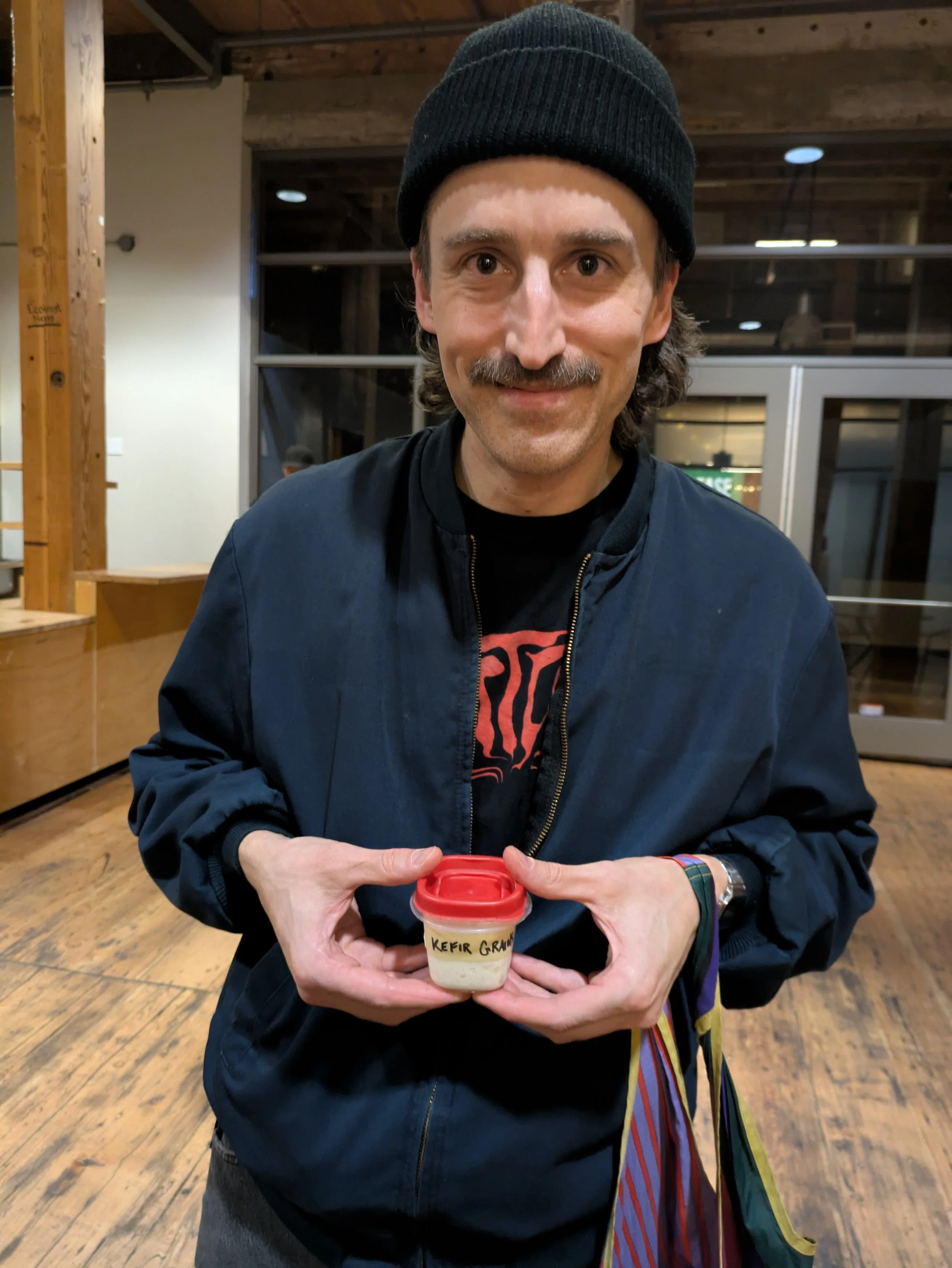
Old friend of a friend, David, came through this year. First timer at the fest! AND he brought some of his cultures — including this tiny parcel of his dairy kefir grains. I had never made or maintained dairy kefir before (I make a lot of water kefir) so the next day I started a batch at home and…

I fermented it for about 21 hours at room temp. with 50% milk and 50% oat milk + the kefir grains. Then I strained it and did an additional countertop culture of that tightly lidded for about 24 hours. I blended my resulting dairy kefir with some late summer blackberries that I picked out on Sauvie (frozen), plus a generous splash of my herby Bartlett pear syrup, plus ice. SO GOOD!!!! Thank you, David!

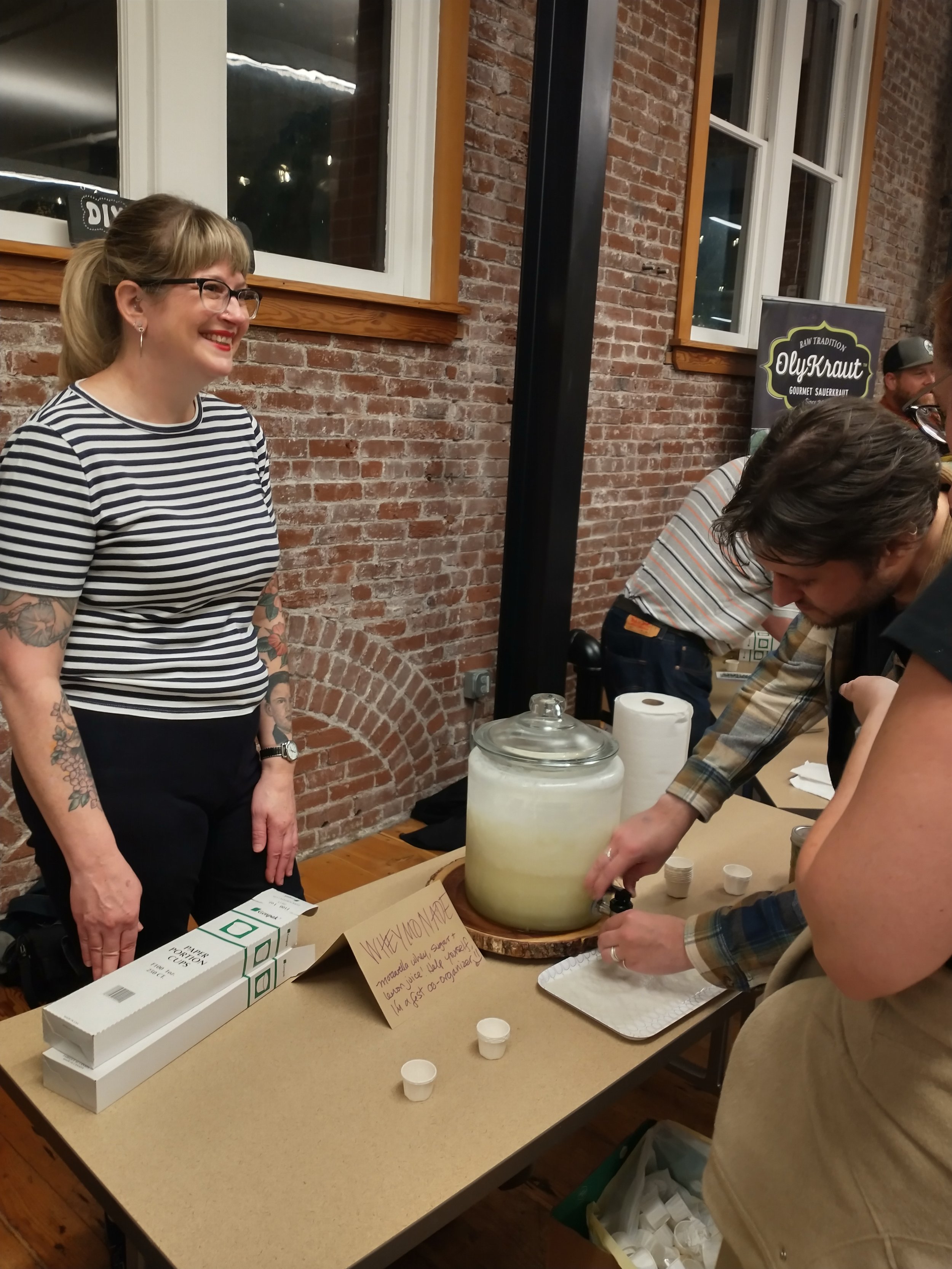
Chant of Deulpul Kimchi fested with us yet again! Last year was his first year. And this past summer he and Taelyn or Tortuga Gordo, and Sash of OlyKraut (we miss OlyKraut already!), and the fine folks from SakeOne, and us fest queens all participated and helped organize the Portland Pickles Fermentation Night. He BROUGHT IT to the fest this year with his super yummy vegan kimchi, plus his kimchi hot sauce and kimchi JAM!

The jam (pictured here over cream cheese) was so good I…

Made this late morning super tasty breakfast with it this past weekend and week — Bowery Bagel + cream cheese + capers + thinly sliced onion and Chant’s KIMCHI JAM! He made it just for the fest, but I hope it becomes a product everyone can get. Sweet, spicy, funky and sooooo good.

Ryan Snipes of Vtopian Artisan Cheeses did the last demo of the night on his plant-based cheese and everyone got to ask questions and learn a lot about his process. Did you try the cheeses they sampled at the fest this year? They always blow me away in taste, texture AND beauty.

Such an incredible spread!

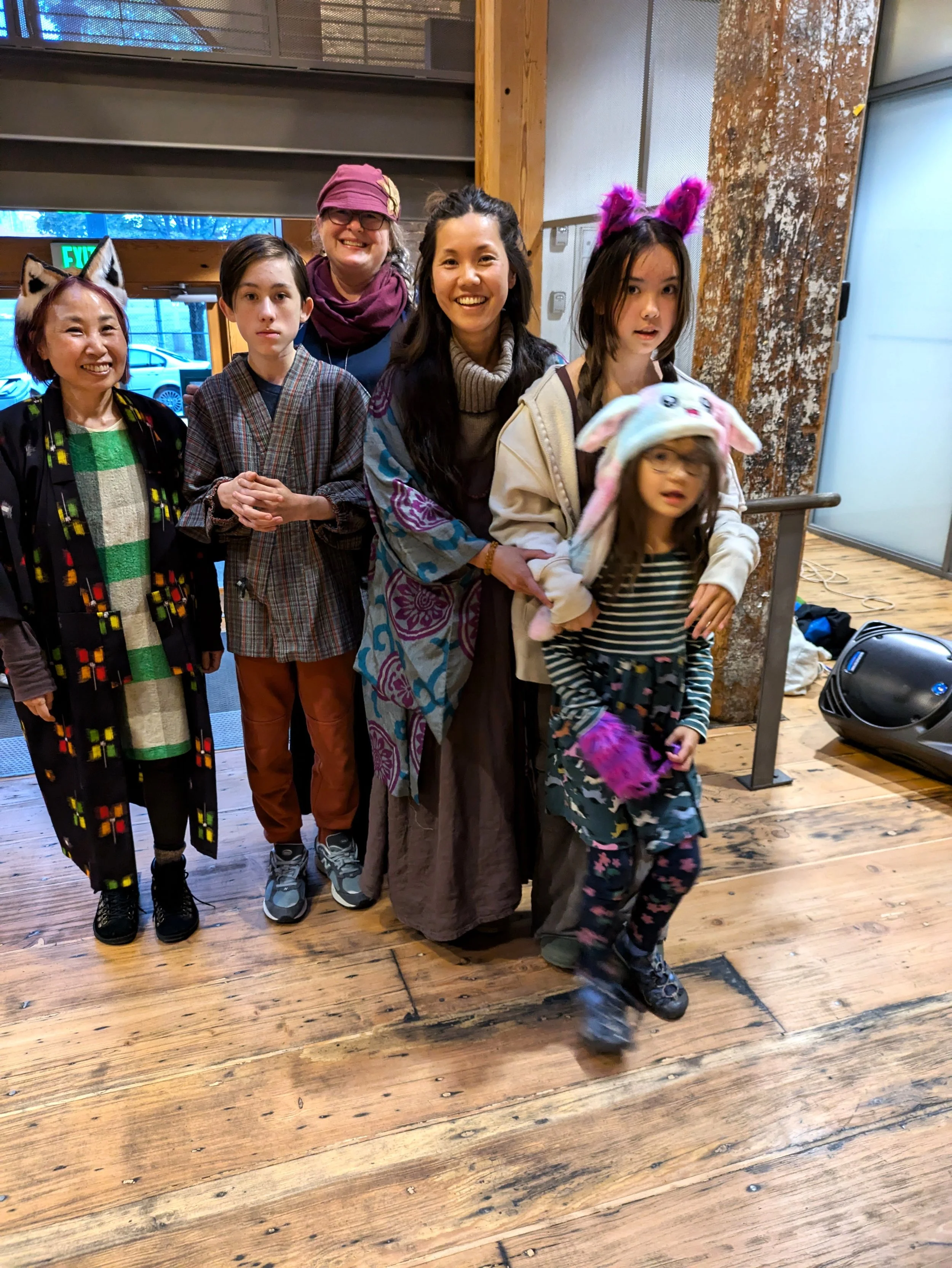
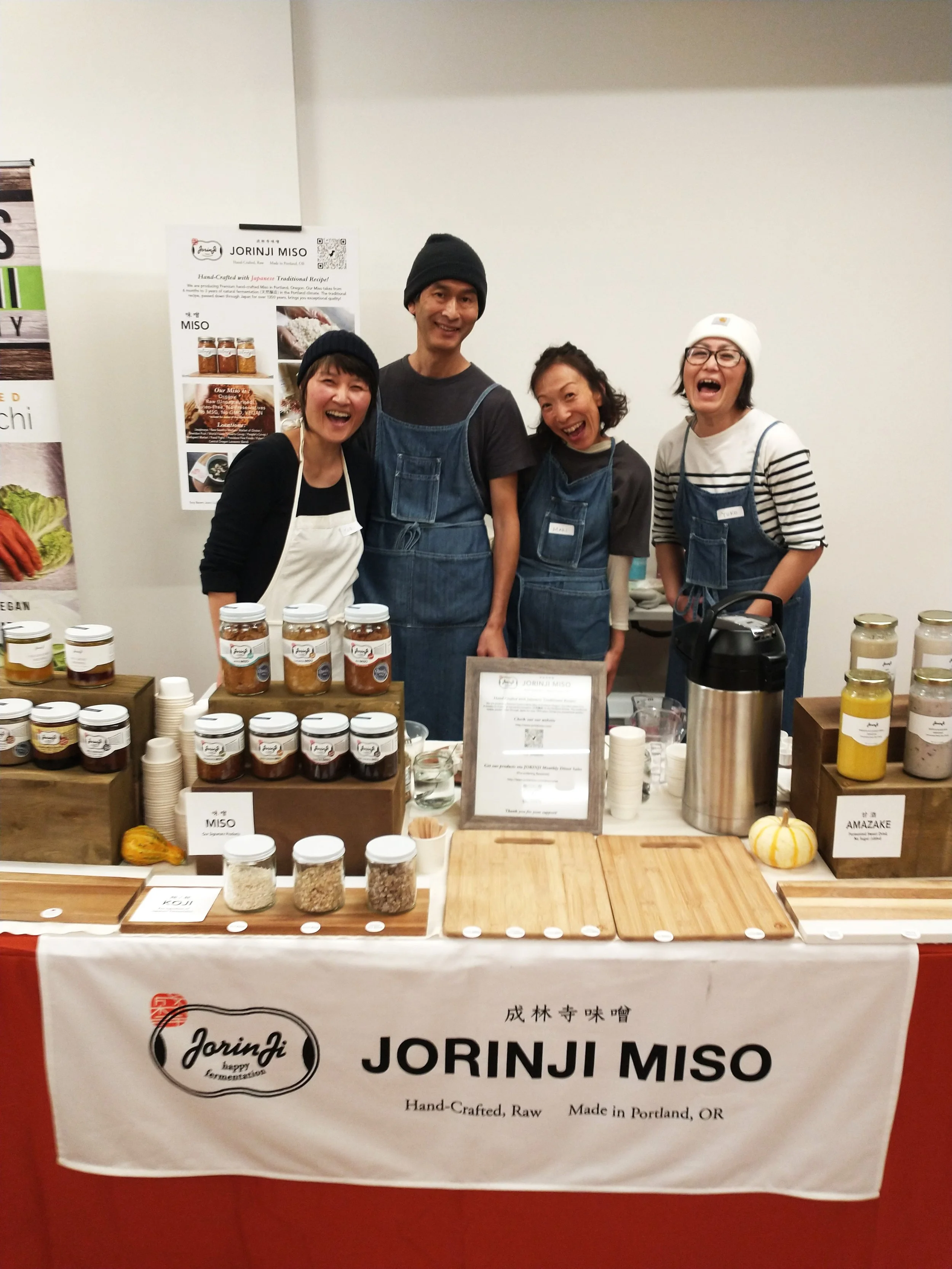
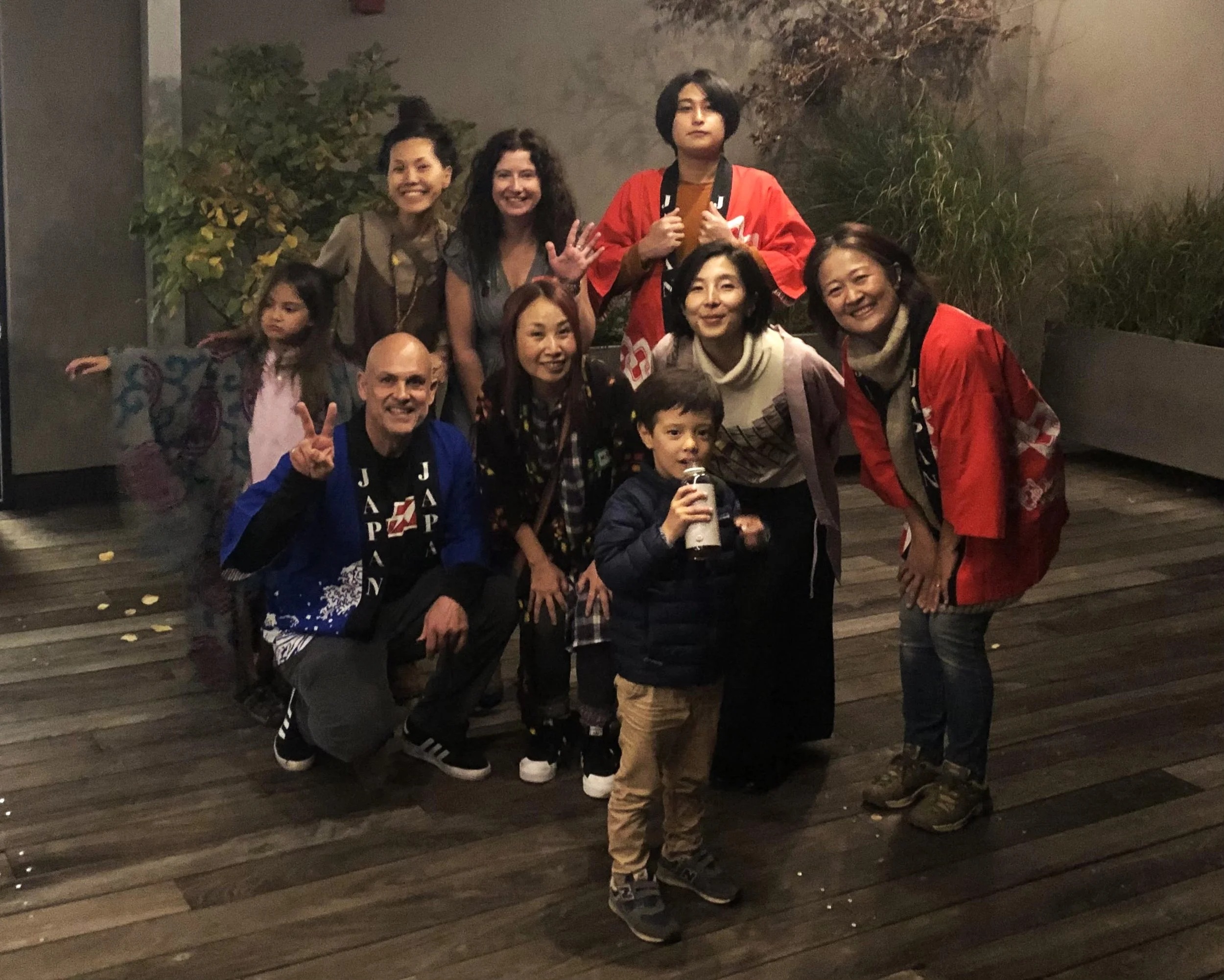
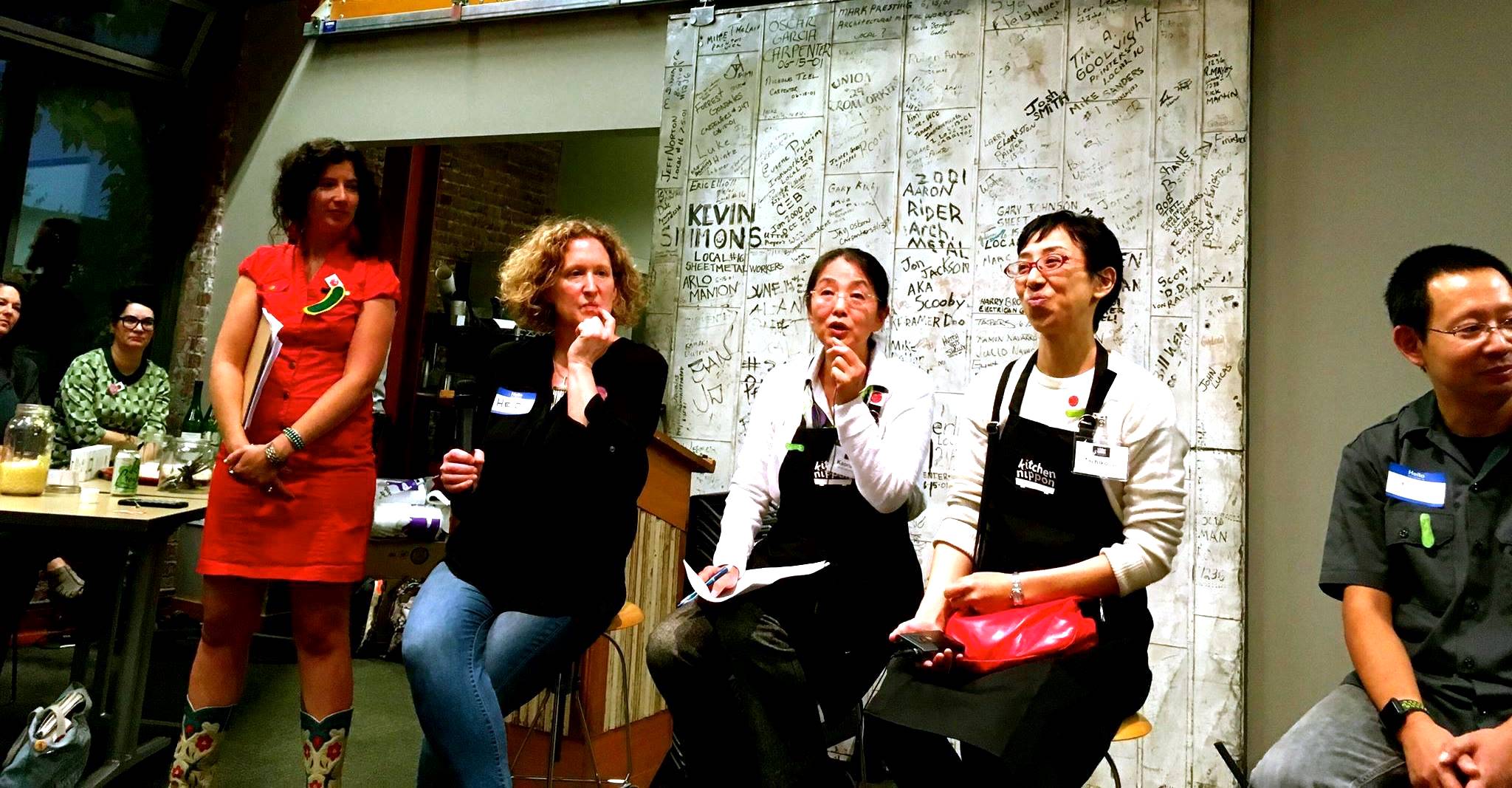
And, remember up at the top/beginning of this post when the Jorinji Miso crew was gathering? Look how cute! And they got Careen in the photo, too.

This was one of my very favorite samples of the night this year. Jorinji’s dark red miso-fueled tonjiru. So savory, deeply flavored and satisfying. I want a big bowl right now. The recipe is up on their site btw https://www.jorinjimiso.com/recipes/tonjiru

And their miso soup is always perfection.

I love that I got this one of Earnest and Yuri taking a little miso soup break at the end of the fest. CUTIES!

SakeOne has sampled their award-winning lovely sakes at our fest for many years (they’ve been crafting their delicious sakes in Forest Grove since the 1990s) and I always get to try something new. Thank you for coming and sharing your delicious sakes with us, yet again, Karsen and Maddie!
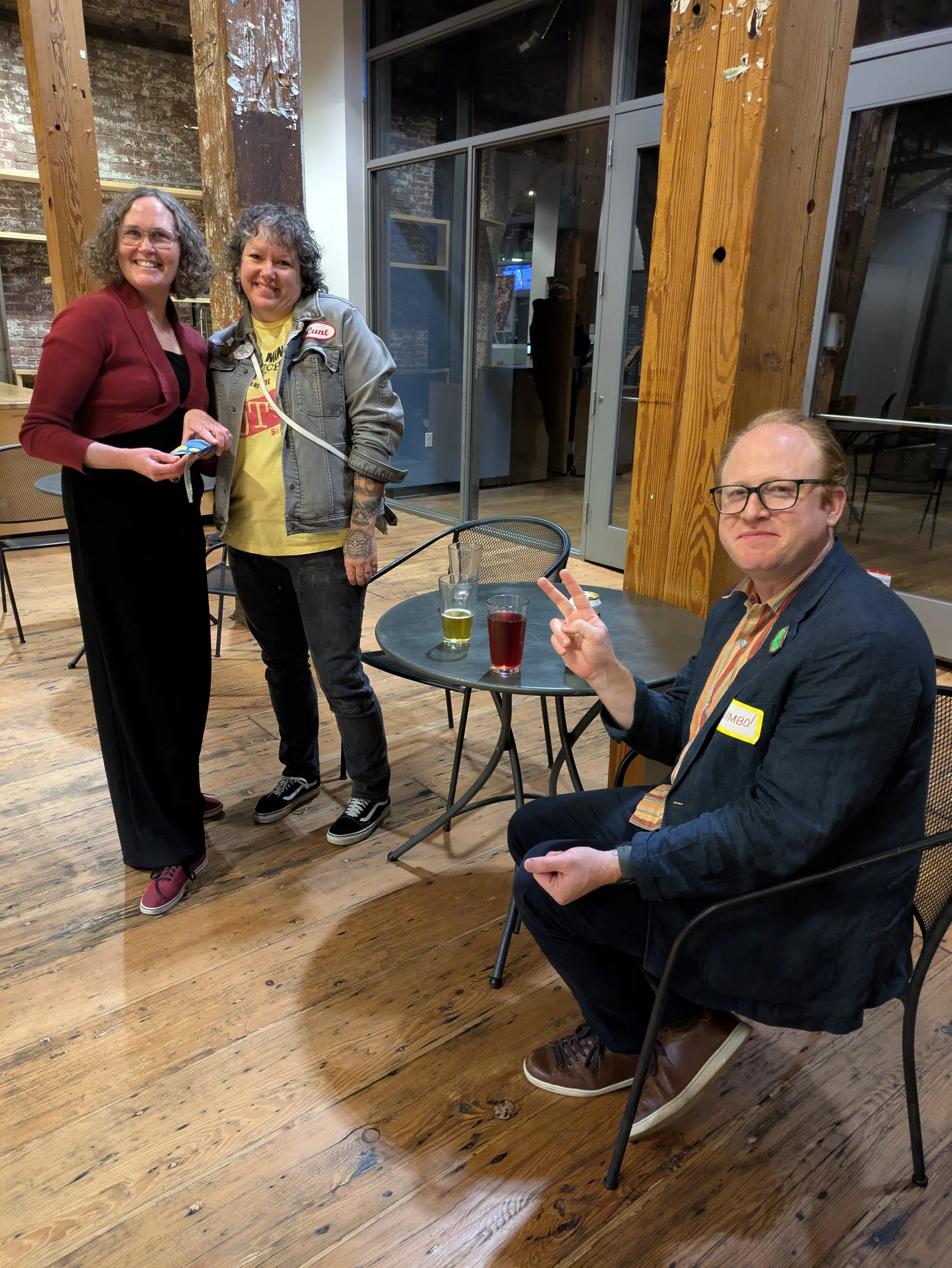
Fest friends (and volunteers!) and my dear friends + fine fellow — Michelle, Apol and Jimbo catching a little quiet time out in the Ecotrust lobby.

Taelyn Lang of Tortuga Gordo always has a big beautiful spread of his yummy and fiery fermented hot sauces! This year he sampled his Good Food Award-winning Green Cobra + his Rotten Jerk + a seasonal sauce. You can find his sauces at markets all over town including New Seasons Markets, Market of Choice, World Foods, Barbur World Foods, People’s Food Co-op +++
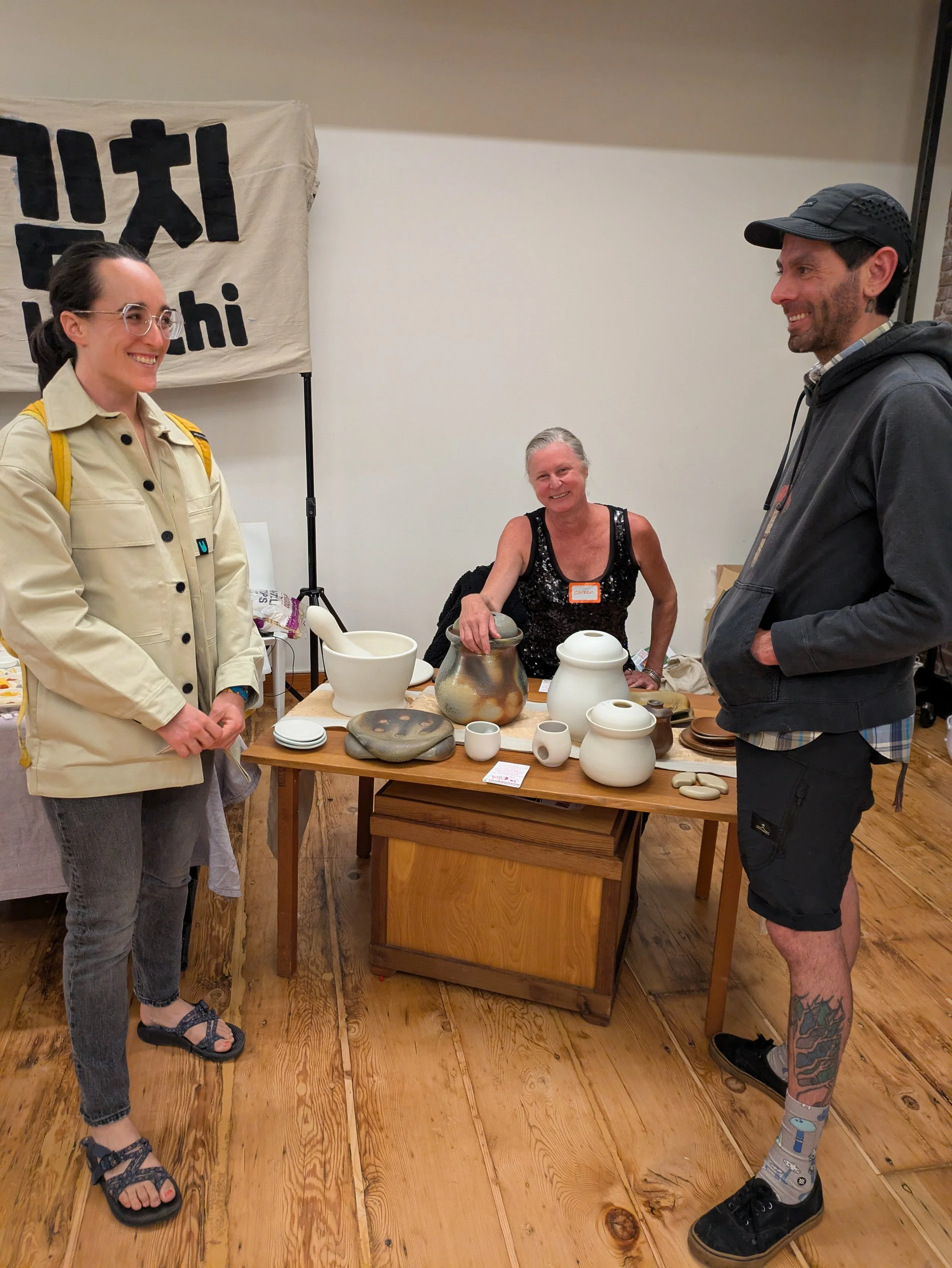
Careen Stoll of Luscious Porcelain always brings a gorgeous array of her porcelain tableware, crocks, weights and kitchen tools. Handmade modern heirlooms. AND she wore her disco sequins SPARKLE!

Pre-fest Heidi Nestler, fest Queen/co-organizer and Wanpaku Natto founder/owner, talked up all things Stinkfest on KOIN News AM Extra with hosts Emily Burris and Travis Teich. You can watch the fun clip here https://www.koin.com/news/portland/stinkfest-brings-the-stench-as-it-celebrates-locally-fermented-foods/

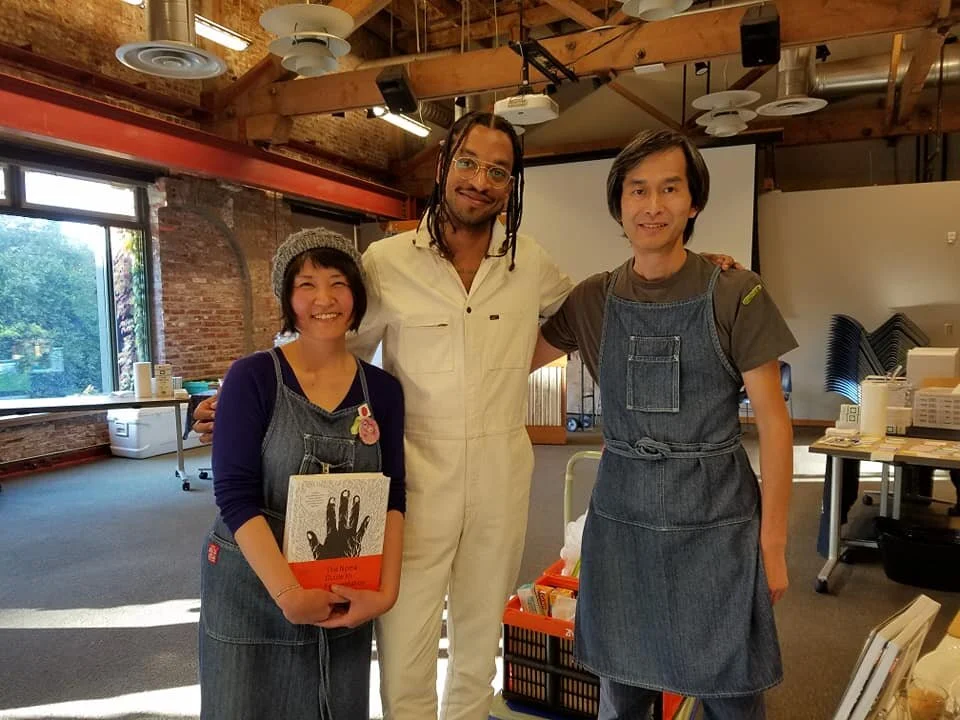
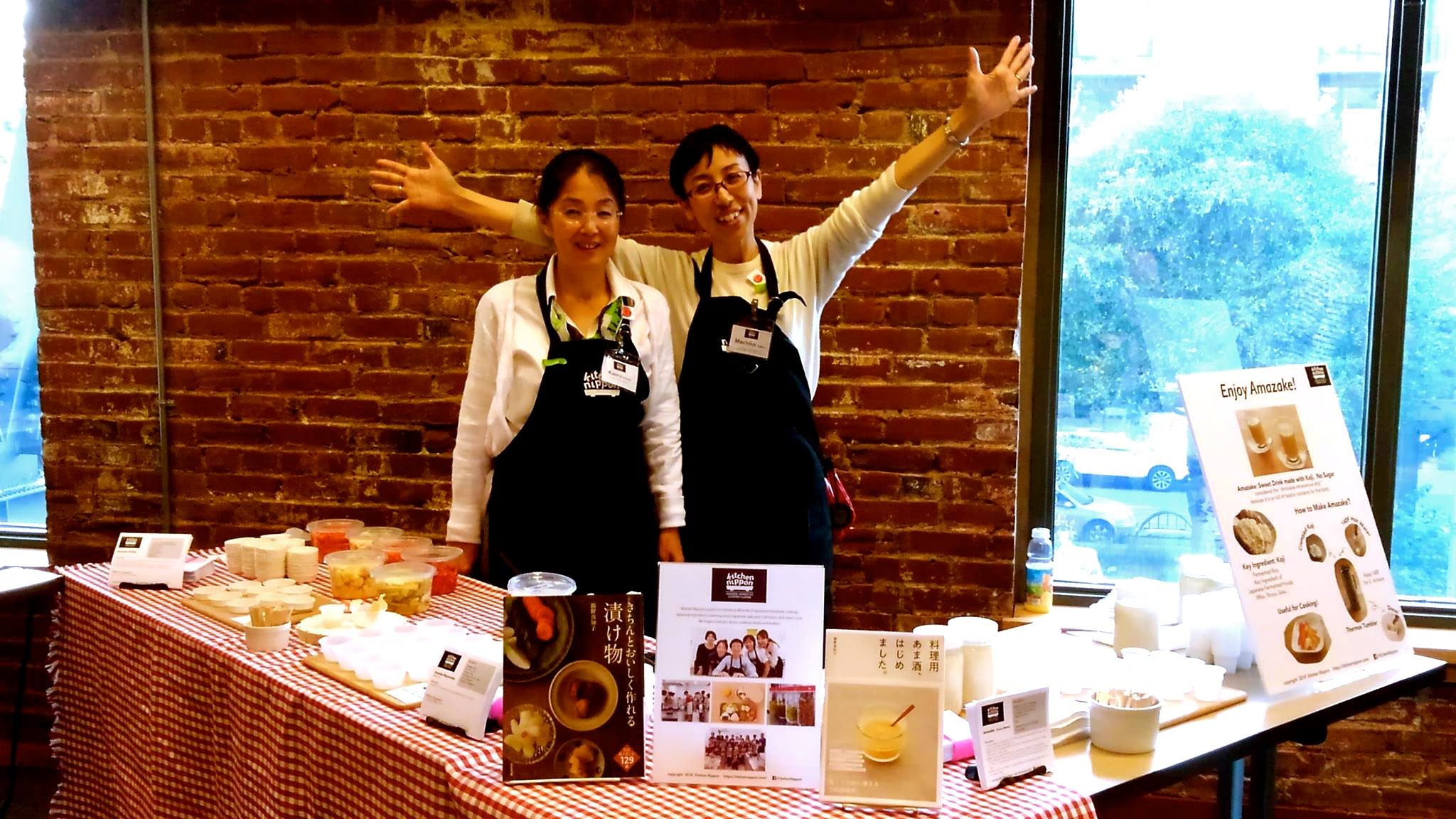
We’re so glad that Okome Kitchen’s Ayako Yokoo and Akiko Nakamura came to the fest this year for the first time! I hope it’s the first of many. Their business is just under a year old (you can buy it at Wellspent Market! https://wellspentmarket.com/) and everyone LOVED trying and learning about their amazakes (koji-crafted sweet fermented rice drink) that they were pouring. Did you know that amazake is naturally vegan + gluten-free + lactose-free?
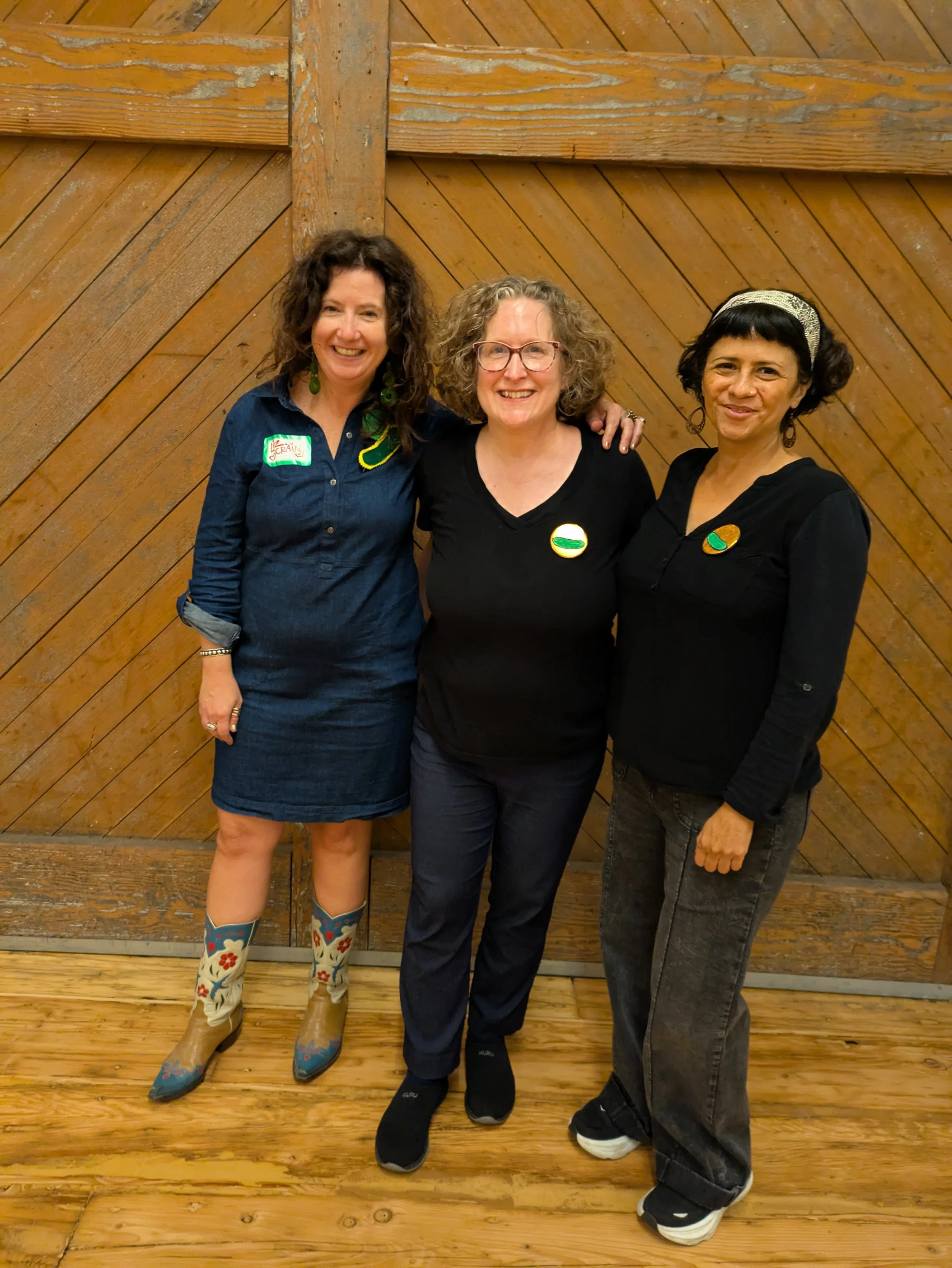
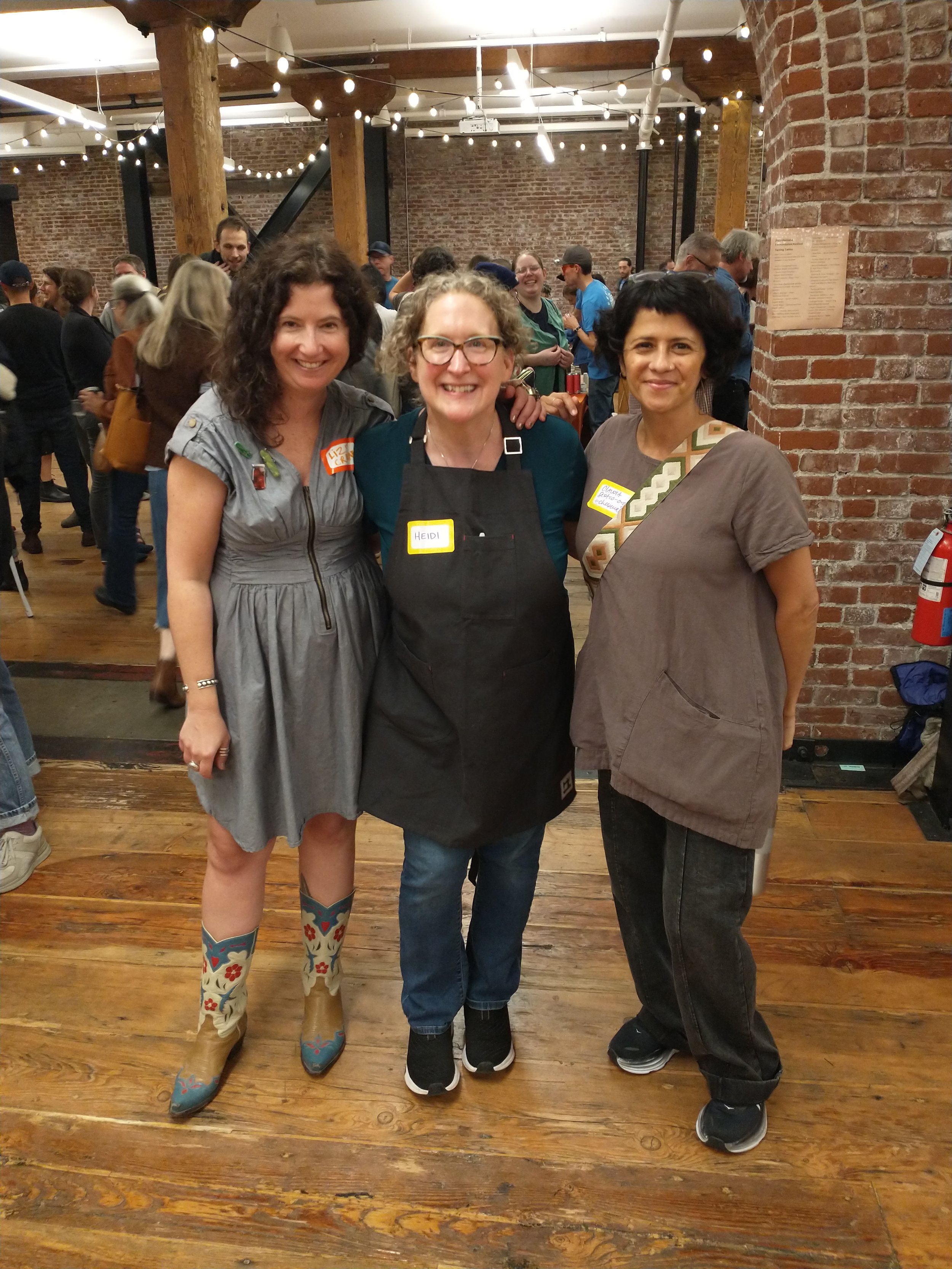
Thank you, thank you, THANK YOU ALL from us — the Stinkfest Queeeeeens — Liz, Heidi & Claudia. We love you so much! Thank you for making this year’s fest (and all fests) so special!